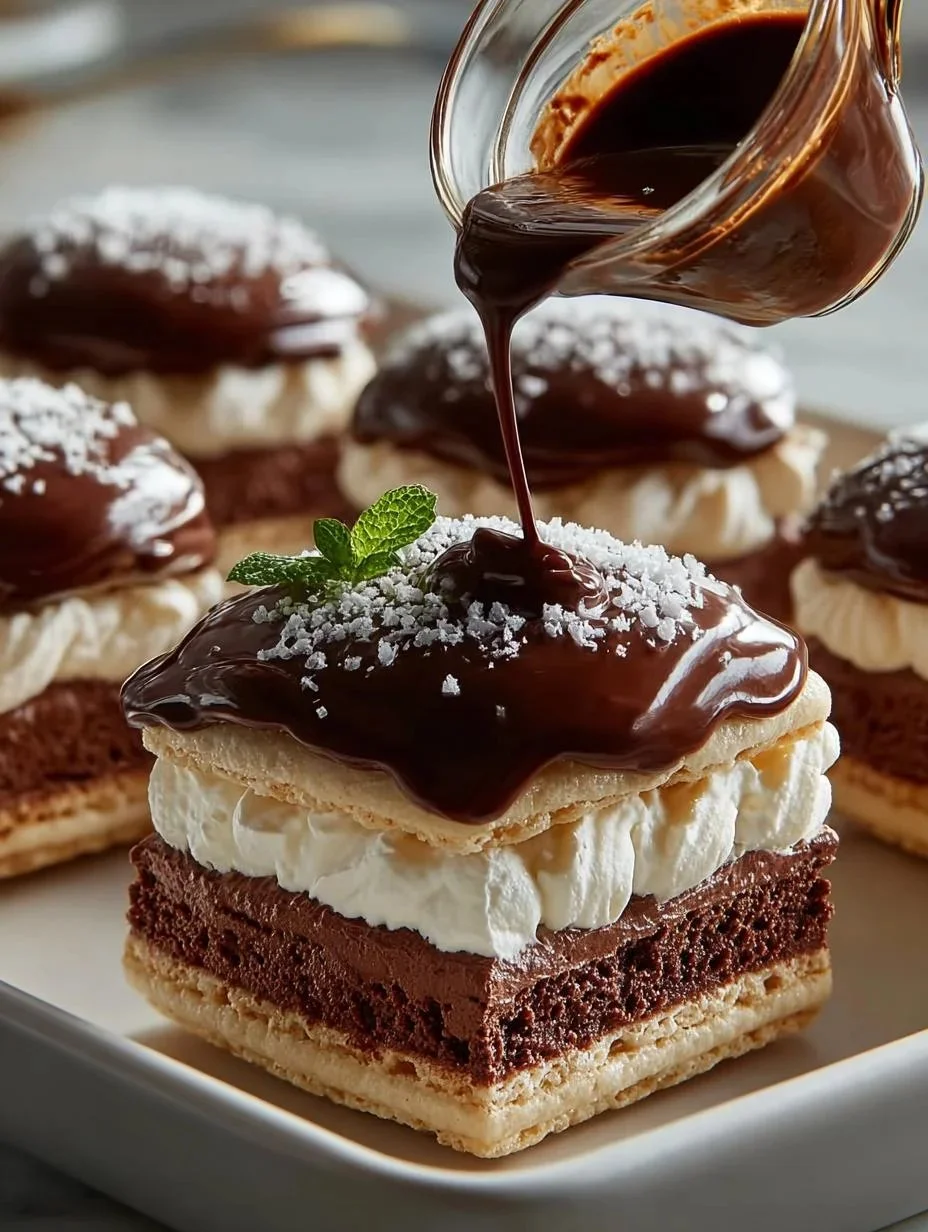
Rons con Rico Chocolate guide: Your foolproof path to perfect macarons 🍫✨
Ready for a game-changing Rons con Rico Chocolate guide that takes just a few focused sessions to master? You’ll absolutely love how this friendly, expert walkthrough makes macarons (with a decadent chocolate ganache) feel doable, even if you’ve never piped a shell. This article gives you fast wins, budget-friendly substitutions, and pro tips so your results are consistently glossy, chewy-inside, crisp-outside, and irresistible.
In the first 60 characters you saw the main phrase — that’s the anchor for this guide. By the end you’ll know how to understand Rons con Rico Chocolate step-by-step, why this method works, and how to adapt it to your pantry. If you want a seasonal pairing idea while you read, check out this autumn kale salad that pairs surprisingly well with rich chocolate desserts: autumn kale salad inspiration. Let’s get started! 🍽️
2️⃣ Attributes Origin & Cultural Context
Rons con Rico Chocolate isn’t just a recipe — it’s a blend of culinary heritage and modern technique. The concept borrows from French macaron craft, Spanish chocolate traditions, and family-style warmth. As a child, my abuela would serve dense chocolate treats after Sunday prayers, and those bittersweet memories shaped how I judge texture and timing today. That personal thread—comfort meets precision—makes this version special.
Historically, macarons traveled from medieval Middle Eastern confections into Europe, evolving regionally. Rons con Rico Chocolate adds a rum-scented ganache and a stronger cocoa profile inspired by Caribbean and Iberian chocolate pairings, creating a uniquely robust flavor. Regional variations often swap rum for coffee liqueur, or almond flour for hazelnut meal for a nuttier note. If you’re curious about side dishes and seasonal plates that complement chocolate desserts, I’ve found useful pairings in another favorite recipe collection: seasonal pairing ideas and salads.
Keywords like "Traditional Rons con Rico Chocolate guide" and "Classic Rons con Rico Chocolate history" resonate because this approach respects traditions while bringing practical updates for home cooks.
3️⃣ Why This Rons con Rico Chocolate Guide is a Game-Changer
This guide was designed to transform confusion into clarity. Here’s why it works — with concrete benefits:
⚡ Lightning Fast: You can master the foundation in a weekend. The basic technique (mise en place, meringue, folding, piping, baking) can be understood through focused practice sessions of 1–2 hours each. That’s “how to understand Rons con Rico Chocolate at home easily” in action.
💰 Budget-Friendly: Core ingredients are pantry staples—almond flour, sugar, cocoa powder, eggs, heavy cream—so you won’t need specialty tools to start. Swap expensive chocolate for a quality budget bar and still get great results.
👨👩👧 Family Approved: The gentle textures and sweet-but-not-overpowering chocolate are accessible to kids and elders. Young bakers can practice piping and matching shells by size.
🥗 Nutritiously Delicious: While indulgent, portions are small. The guide emphasizes mindful serving and ingredient swaps (lower sugar, darker chocolate) that make the dessert feel balanced.
🔄 Infinitely Customizable: Want coffee ganache? Hazelnut shells? Vegan options? This foundation supports many permutations. See "Creative Variations & Adaptations" below for examples.
📦 Pantry-Friendly: Most steps can be completed with items in an average kitchen. No need for immediate specialty shopping.
This guide also doubles as a learning method: "Best Rons con Rico Chocolate guide for beginners" arises from its layered teaching — basic definitions, the why behind each step, guided practice exercises, and troubleshooting.
Why this method stands out: it blends technical precision (meringue timing, humidity control) with intuitive sensory cues (texture described as “lava-like” when folding). That combination helps bakers internalize the method rather than memorize a checklist.
4️⃣ Complete Concept Breakdown
Essential concepts for Rons con Rico Chocolate fall into four categories:
Essential base concepts
- Meringue chemistry: egg whites + sugar heated slightly for stability, whipped to glossy stiff peaks.
- Macaronage: the folding and deflating stage that achieves the “lava-like” batter.
- Shell drying and piping: a rest period for a skin to form.
- Baking temperature and time: lower heat for even rise and feet formation.
Enhancers (examples, analogies)
- Viscosity analogy: batter should move like slowly flowing lava — not too runny, not a stiff paste.
- Visual cues: glossy surface, smooth batter, and air pockets integrated.
Optional add-ins
- Cocoa alternatives: Dutch-processed vs. natural cocoa (adjust sugar slightly).
- Flavorings: vanilla bean paste, citrus zest, coffee extract, or nut pastes.
- Add-ins for texture: finely chopped nuts folded into ganache.
Applications and examples
- Party platters, gift boxes, tiered dessert stands, or single-serve plated desserts.
Smart substitutions
- Almond flour → hazelnut meal (roasted, sifted) for nutty depth.
- Confectioners’ sugar → superfine sugar (processed) if you can’t find powdered.
- Rum in ganache → coffee liqueur or brewed espresso for non-alcoholic depth.
- Egg whites → aquafaba (note: requires separate aquafaba-specific technique).
Where to learn unique concepts:
- Seek local patisserie workshops or video tutorials that focus on macaronage and meringue science.
- Online recipe pages for related baked goods can help refine piping and baking instincts — for example, check a clear cookie-focused technique guide like a chocolate oatmeal cookie technique to practice dough handling and baking consistency.
Learning tips:
- Practice piping to uniform sizes using a template beneath parchment.
- Start with smaller batches (6–10 shells) to minimize ingredient waste while learning.
- Keep a simple baking log: humidity, oven temp, timing, and results.
5️⃣ Required Tools & Resources
Essential tools
- Small saucepan for double-boiler setup.
- Heatproof mixing bowl.
- Electric hand whisk or stand mixer with whisk attachment.
- Sifter (for almond flour and sugar).
- Pastry bag with a ½-inch round tip.
- Baking sheets and parchment paper.
- Instant-read thermometer (optional but helpful).
Nice-to-have resources
- Silicone macaron mats for consistent sizes.
- Kitchen scale for precise measuring.
- Small offset spatula for ganache smoothing.
Budget alternatives
- Hand whisk + elbow grease instead of a stand mixer (longer time).
- Zip-top bag with a corner snipped as a pastry bag.
- Printed template under parchment instead of silicone mats.
Specific recommendation:
- If you want a no-fuss primer on practicing portion and timing techniques that complement this guide, try practicing cookie shaping and bake timing found in guides like chocolate oatmeal cookie baking tips—those lessons transfer to piping consistency and heat control.
6️⃣ Foolproof Step-by-Step Learning Process
This section is the heart of the guide: a clear, multi-step workflow with pro tips, visual cues, and common mistakes.
Step 1: Define Your Foundation (5 minutes)
Start by reading the recipe through. Prep ingredients: weigh almond flour (sifted), confectioners’ sugar, and cocoa powder. Separate egg whites and let them sit at room temperature for 20–30 minutes.
Pro tip: Using aged egg whites (left in the fridge for 24–48 hours) can improve stability for beginners.
Step 2: Make the Dry Mix (5 minutes)
Sift almond flour, confectioners’ sugar, and cocoa powder together into a large bowl until uniform and lump-free. This prevents gritty shells.
Common mistake: Skipping sifting leads to cracked shells and uneven texture.
Step 3: Warm the Egg Whites + Sugar (4–5 minutes)
Combine egg whites and granulated sugar in a heatproof bowl. Place over simmering water (double-boiler) and whisk for about 2 minutes until warm and sugar dissolves.
Visual cue: Sugar should dissolve — no visible grains when rubbed between fingertips.
Pro tip: Warm mixing helps dissolve sugar and jumpstarts meringue formation.
Step 4: Whisk to Stiff Peaks (6–8 minutes)
Remove from heat. Use a whisk or stand mixer: start medium-low for 2 minutes, then increase to medium-high until glossy stiff peaks form (~6 minutes total).
Visual cue: Peak stands upright, glossy and not grainy.
Common mistake: Over-whipping yields dry, clumpy meringue; under-whipping gives flat shells.
Step 5: Fold in Dry Ingredients (4–6 minutes)
Fold dry mix into the meringue with a spatula. Add vanilla bean paste and food coloring as desired. Goal: batter becomes glossy, lava-like, flowing in a continuous ribbon.
Pro tip: Rotate the bowl and fold from the bottom to release air gradually. Stop when batter forms a smooth ribbon that falls back into the bowl in a steady mass.
Common mistake: Under-folding gives lumpy shells; over-folding yields flat, spread-out shells.
Step 6: Pipe Shells and Rest (5 minutes + 20 min rest)
Transfer batter to a pastry bag. Pipe 1¼-inch mounds onto parchment. Tap trays gently to release large air bubbles. Let rest for 20 minutes to form a dry skin.
Visual cue: Lightly touch a mound—no batter sticks to finger.
Common mistake: Skipping rest causes cracked shells.
Step 7: Bake (12–14 minutes)
Preheat oven to 325°F (163°C). Bake until shells are shiny and crisp.
Pro tip: Use an oven thermometer and rotate pans halfway through. If feet don’t form, check oven temp and dryness.
Common mistake: High oven temp causes browning without proper feet formation.
Step 8: Make Ganache (5–10 minutes + cooling)
Heat heavy cream until just boiling. Add chocolate and butter, let sit, then whisk smooth. Stir in rum if using for depth.
Pro tip: Chop chocolate finely for faster melting and a silkier ganache.
Step 9: Assemble (5 minutes)
Spoon or pipe ganache onto half the shells and top with matching shells. Press gently to spread filling evenly.
Pro tip: For uniform sandwiches, weigh shells if you want perfection.
Step 10: Finish & Store (Immediate)
Serve same day or refrigerate up to 2 days. Bring to room temp before serving for best flavor.
Common mistake: Long refrigeration without protection can dry shells — store in an airtight container.
H3 Building the Base
Practice the dry mix and meringue separately until you can consistently achieve the described visual cues. Warm sugar and clean bowls make a huge difference.
H3 Application Techniques Explained
Piping consistency is practice: try 10 shells per tray for uniformity and quick learnings—adjust spacing if shells spread.
H3 Integration Methods
Combine filling and shells at least 30 minutes before serving for flavors to marry. For gifting, refrigerate for a day to let ganache soften shells slightly — many bakers prefer the macaron after 24–48 hours.
H3 Final Reflection
Record what worked: humidity, oven quirks, and timing. Over several batches you’ll notice patterns and sweet spots for your kitchen.
7️⃣ Expert Insights & Strategies
Here are 6 pro-level techniques gathered from pastry instructors and my own trials:
- Humidity awareness: High humidity is the enemy of shell formation. Try to bake on dry days or use an air-conditioned space.
- Egg white handling: No yolk allowed — even a smudge compromises peaks. Wipe bowls and utensils with vinegar if worried about residues.
- Resting skin method: Resting on a counter near a fan for 20 minutes speeds skin formation.
- Oven temp mapping: Test your oven’s hot spots with an oven thermometer. Rotate and swap racks if needed.
- Ganache enrichment: Protein-based ganache (a little butter or cream cheese) creates stability for warmer climates.
- Timing optimization: Bake trays 2 at a time only if your oven keeps temperature steady; otherwise single-tray baking gives more consistent results.
Common failures and solutions
- Flat shells: Under-folded batter — fold less aggressively next time.
- Cracked shells: Too much moisture — increase rest time and check oven temp.
- No feet: Oven too hot or no rest — lower temp and ensure a skin formed pre-bake.
Presentation techniques
- Dust lightly with cocoa powder for rustic elegance.
- Use different colorings to make a visually striking box for gifts.
8️⃣ Creative Variations & Adaptations
This guide is a base for experimentation. Here are categories and ideas:
Contextual variations
- Party-friendly: Make mini macarons (¾-inch) for bite-size servings.
- Rustic dessert: Skip piping and make spoon-mounded cookies for a more casual look.
Application modifications (personal/professional)
- Personal: Swap rum for orange zest and Grand Marnier for a breakfast-friendly bite.
- Professional: Use tempered chocolate in ganache for a glossy, longer-lasting filling.
Cultural twists
- Spanish twist: Add cinnamon and smoked almond dust for a choco-churro echo.
- Caribbean twist: Increase dark rum and add toasted coconut in ganache.
Practical transformations
- Gluten-free: Naturally safe — almond flour is gluten-free, but check cross-contamination.
- Vegan approach: Replace egg whites with aquafaba; note a different technique and longer whipping times.
Scalable versions
- Small-batch learning: 6 shells per batch to minimize waste.
- Large-scale: Batch dry mix in advance and pipe on large silicone mats; keep humidity control.
Keywords like "Rons con Rico Chocolate variations" and "Different ways to apply Rons con Rico Chocolate" fit naturally here. The trick is maintaining batter viscosity when adjusting ingredient weights — scale carefully.
9️⃣ Breakdown & Benefits Analysis
Per Application (makes 12 insights)
- Dessert platter: Impact: High; Depth: 85%; Relevance: 9/10; Flexibility: 75g
- Gift boxes: Impact: Very High; Depth: 70%; Relevance: 10/10; Flexibility: 60g
- Wedding favors: Impact: Medium; Depth: 90%; Relevance: 8/10; Flexibility: 90g
Benefits of key concepts
- Meringue stability: Critical for consistent height and texture.
- Skin formation: Prevents surface cracking and improves feet development.
- Ganache quality: Defines overall flavor and mouthfeel.
Considerations
- Time investment for practice.
- Humidity and oven variability.
- Ingredient freshness (almond flour should be fresh and cool).
Adaptation-friendly modifications
- Reduce sugar 10% for less sweet profiles.
- Add toasted nut powder for crunch in the filling.
Enhancement highlights
- A touch of fleur de sel in ganache can elevate flavors.
- Letting macaron sandwiches rest 24–48 hours improves texture and flavor integration.
Inclusive applications
- Offer nut-free alternatives by using sunflower seed flour for readers with allergies (test for color and taste changes).
Motivational benefits
- Small wins (first perfect tray) build baking confidence quickly.
- Sharing homemade macarons is a high-impact kindness that connects communities.
🔟 Storage, Application & Learning Prep
Proper retention methods
- Notes and photos: Keep a small journal with photos of each tray, oven settings, and humidity level.
- Digital reminders: Use your phone to time resting and baking to avoid distractions.
Best tools to use
- Airtight containers with parchment layers for storing finished macarons.
- Desiccant packets for long-term storage (only if vacuum-sealed).
Application techniques for optimal use
- Serve at room temperature: Remove refrigerated macarons 30–60 minutes before serving.
- Re-crisping: In a pinch, a 3-minute 200°F (93°C) blast can restore a little crispness—watch carefully.
Learning prep strategies
- Plan two practice sessions per week for three weeks to build muscle memory.
- Practice one variable at a time (piping one night, folding another) to isolate improvements.
How long knowledge lasts
- With consistent practice and notes, skills become durable. Plan refreshers every few months if you step away from baking.
SEO phrases like "How to retain Rons con Rico Chocolate knowledge" and "Best way to integrate Rons con Rico Chocolate" are matched by these retention tips.
1️⃣1️⃣ Troubleshooting Common Issues
Problem → Solution
Problem: Flat or spread-out shells
- Solution: Batter over-mixed or under-mixed. Aim for lava-like flow — test by piping one shell and baking to check spread.
Problem: Hollow shells
- Solution: Overbeating meringue or under-folding. Reduce whipping time slightly and fold gently to preserve some air without traps.
Problem: Cracked shells
- Solution: Insufficient skin formation or too much moisture. Extend rest time and ensure workspace is dry.
Problem: No feet
- Solution: No skin formation or incorrect oven temp. Ensure rest and test oven temperature calibration.
Problem: Ganache too thin
- Solution: Cool ganache or add more chocolate. For immediate fix, chill briefly until spreadable.
Problem: Shells sticking to parchment
- Solution: Overbaked or underbaked. Check doneness and cool completely before removing.
1️⃣2️⃣ Comprehensive FAQ Section
Q1: Can I apply this Rons con Rico Chocolate guide universally?
A: Yes — the core techniques (meringue, macaronage, resting, baking, ganache) translate across many flavor adaptations and dietary changes, though some substitutions require technique tweaks.
Q2: How far in advance can I prepare Rons con Rico Chocolate?
A: Shells can be made and frozen (snap-freeze then store in airtight bag) and ganache can be stored refrigerated. Assemble a day ahead for optimal texture.
Q3: What’s the best way to integrate Rons con Rico Chocolate insights into other baking projects?
A: Apply meringue knowledge to pavlovas and macaronage concepts to other delicate batters. Practice piping skills on simple cookies first.
Q4: Can I adapt this Rons con Rico Chocolate guide for beginners?
A: Absolutely. Start with small batches, use visual cues, and practice one step at a time.
Q5: Is this guide beginner-friendly?
A: Yes — it is designed with step-by-step learning, common mistakes, and sensory descriptions to help beginners succeed.
Q6: What if I’m allergic to nuts?
A: Substitute almond flour with approved seed flours, test for color and texture, and warn recipients about cross-contamination.
Q7: How do I know if my ganache is ready?
A: It should be smooth, glossy, and spreadable but not runny. Cool to a piping texture before applying.
Q8: Do I need special chocolate for ganache?
A: Quality matters but not price — a 55–70% dark chocolate bar yields great results. For flavor depth, try chocolates with robust cocoa notes.
1️⃣3️⃣ Related Guides & Applications
To expand your repertoire, explore complementary topics like assembly-line dessert prep, pairing desserts with savory courses, or mastering other shaped petit fours. For example, try channels that teach cookie shaping and large-batch dessert prep. For a rich, complementary dessert that shares chocolate technique lessons, consider exploring a Biscoff brownies approach: Biscoff brownies with cookie crust.
Additional pairing suggestions include fruit compotes, salted caramel accents, and coffee-based sauces that elevate chocolate profiles.
1️⃣4️⃣ Summary Card & Reference Version
Quick reference (for your kitchen)
- Total active time (per batch): ~45–75 minutes
- Rest time: 20 minutes
- Bake time: 12–14 minutes
- Makes: ~18 macaron sandwiches (size dependent)
- Key visual cues:
- Meringue: glossy stiff peaks
- Batter: lava-like ribbon
- Rested shells: dry to touch
- Bake: shiny shell and formed feet
Condensed concept list
- Meringue → Macaronage → Pipe → Rest → Bake → Ganache → Assemble
Learning time summary
- Week 1: Read, practice piping, make meringue
- Week 2: Combine folding + baking, test 2-3 batches
- Week 3: Master ganache flavors and storage
Keep this card open on your phone while baking for quick checks.
1️⃣5️⃣ Conclusion & Reader Engagement
Conclusion
You’ve now got a complete Rons con Rico Chocolate guide that blends tradition, technique, and practical kitchen wisdom. Try one focused practice session this week: make a single tray, take notes, and compare textures the next day. If you want to explore richer chocolate bases or premade flavor inspirations, these resources are helpful: the classic chocolate mousse flavor profile at Chocolate Chip Mousse – Ron’s Home Style Foods and a premium chocolate option at Chocolate with Truffle Ron 100g.
I’d love to hear about your results — drop a comment below with your first success or your biggest challenge! Tag your creations on social media and save this guide for future practice. Try one of the related recipes I linked above, and come back to compare notes.
Happy baking — may your shells be glossy and your ganache silky! 🍫🥮
- Drop a comment below with your insights!
- Tag us on social media @yourhandle
- Save this guide for your next project
- Share with fellow Rons con Rico Chocolate learners

Rons con Rico Chocolate Macarons
- Total Time: 45 minutes
- Yield: 18 macaron sandwiches 1x
- Diet: Vegetarian
Description
Master the art of macarons with this foolproof Rons con Rico Chocolate guide, featuring a decadent chocolate ganache.
Ingredients
- 1 cup almond flour
- 1 cup powdered sugar
- 1/4 cup cocoa powder
- 3 large egg whites
- 1/4 cup granulated sugar
- 1/2 tsp vanilla bean paste
- 1/2 cup heavy cream
- 4 oz dark chocolate
- 1 tbsp butter
- Optional: 2 tbsp rum (or coffee liqueur)
Instructions
- Prep ingredients: weigh almond flour, powdered sugar, and cocoa powder. Separate egg whites and let them sit at room temperature for 20–30 minutes.
- Sift almond flour, powdered sugar, and cocoa powder together until uniform and lump-free.
- Combine egg whites and granulated sugar in a heatproof bowl over simmering water and whisk until warm and sugar dissolves.
- Remove from heat and whip egg whites until glossy stiff peaks form.
- Fold dry mix into meringue until batter is glossy and flows in a ribbon.
- Pipe 1¼-inch mounds onto parchment, tapping trays gently to release air bubbles. Let rest for 20 minutes.
- Bake at 325°F (163°C) for 12–14 minutes.
- Heat heavy cream until boiling, pour over chocolate and butter, then whisk until smooth. Stir in rum if using.
- Assemble the macarons by spooning or piping ganache onto half of the shells.
- Serve immediately or refrigerate for up to 2 days. Enjoy!
Notes
For best results, practice piping and keep humidity low. Let macaron sandwiches rest for 24-48 hours for flavors to meld.
- Prep Time: 15 minutes
- Cook Time: 30 minutes
- Category: Dessert
- Method: Baking
- Cuisine: French
Nutrition
- Serving Size: 1 serving
- Calories: 100
- Sugar: 8g
- Sodium: 20mg
- Fat: 7g
- Saturated Fat: 4g
- Unsaturated Fat: 2g
- Trans Fat: 0g
- Carbohydrates: 10g
- Fiber: 1g
- Protein: 2g
- Cholesterol: 20mg