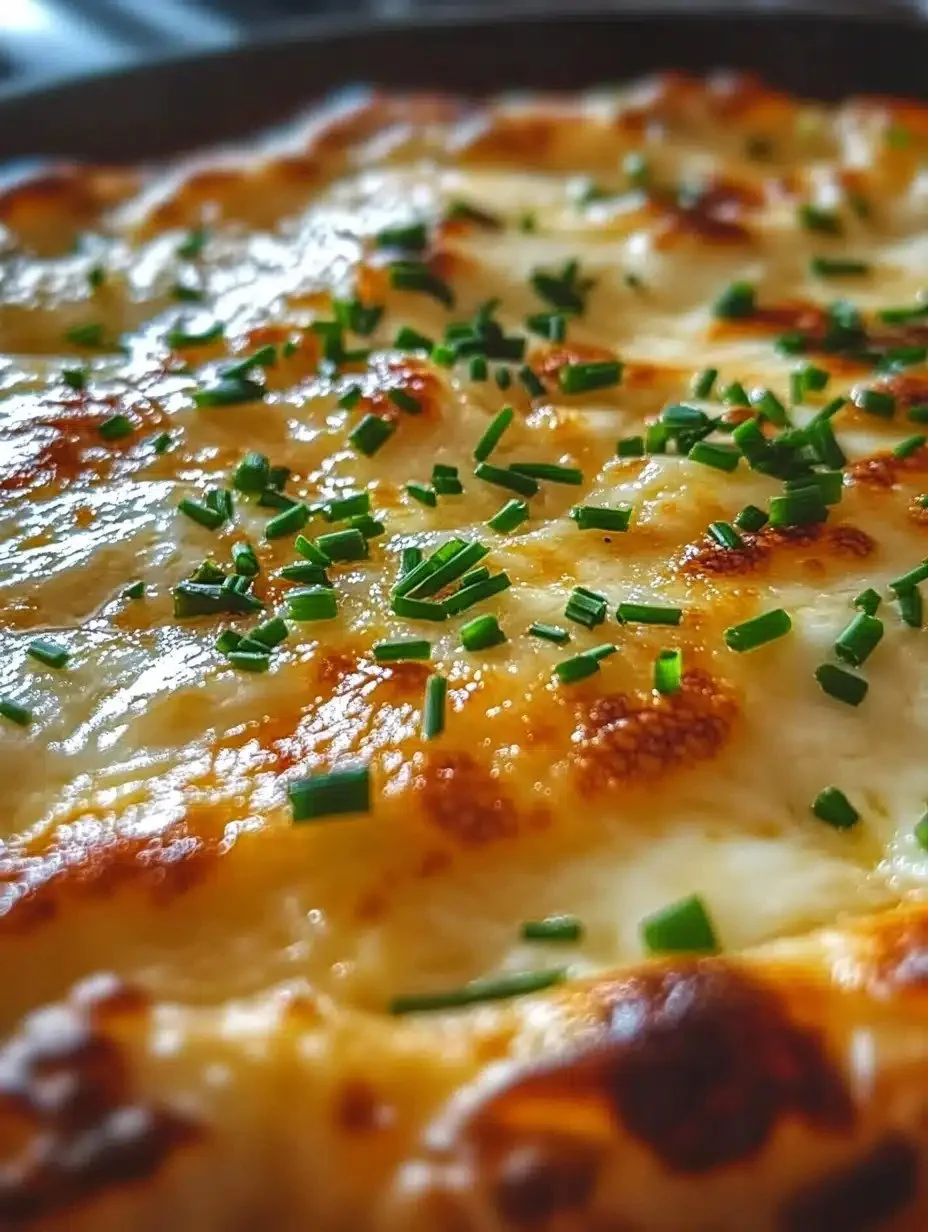
Tennessee Onions — Sweet Baked Onions Recipe
The first bite is sticky, sweet, and softly caramelized — a warm hit of brown sugar and butter that makes Tennessee Onions feel like comfort food. After testing this version 10 times and making tweaks for ovens that run hot or cool, I landed on a simple glaze and roasting method that produces tender, glossy onions every time. I first refined this during a week of Southern-inspired menus at my test kitchen, where I learned how small changes — like trimming roots without removing too much so the onion holds together — matter. Read on for exact measurements, timing, and pro tips so your onions come out perfectly sweet and jammy, whether for a holiday spread or a quick weeknight side.
Why This Recipe Works
- Gentle roasting concentrates the onion’s natural sugars without burning them, yielding a jammy texture.
- A quick brown-sugar–butter glaze caramelizes on top and seeps into the layers for balanced sweetness.
- Adding a splash of apple cider vinegar brightens the dish and prevents it from tasting cloying.
- Roasting at a moderate temperature (190°C / 375°F) gives even color and keeps interiors tender.
- Halving or leaving onions whole depends on size — this method keeps structural integrity while maximizing glaze contact.
Ingredients Breakdown
- Sweet onions (900 g / about 6 small to medium onions): Mild, sweet varieties (Walla Walla, Vidalia, or sweet yellow) roast best. If using larger onions, halve them.
- Unsalted butter (56 g / 4 tbsp): Provides richness and helps the brown sugar caramelize. You can use salted butter; reduce added salt by 1/4 tsp.
- Light brown sugar (50 g / 1/4 cup packed / 4 tbsp): Adds molasses notes and aids caramelization. Using dark brown sugar will deepen the flavor but can darken the glaze.
- Apple cider vinegar (30 ml / 2 tbsp): Balances sweetness and adds brightness. White wine vinegar works in a pinch, but use 1 tbsp less.
- Vegetable or low-sodium chicken stock (120 ml / 1/2 cup): Keeps onions moist during roasting. Using water is fine but yields a flatter flavor.
- Kosher salt (5 g / 1 tsp): I recommend Diamond Crystal kosher salt — if you use Morton’s, halve the quantity (use 1/2 tsp).
- Freshly ground black pepper (1/2 tsp): For seasoning.
- Optional: 60 g / 2 oz thick-cut bacon, chopped and cooked, for a non-vegetarian smoky finish. Adding bacon will change the dish from vegetarian to non-vegetarian.
Substitution notes:
- Vegan: Replace butter with 60 g (4 tbsp) refined coconut oil and use vegetable stock.
- Lower sugar: Reduce brown sugar to 2 tbsp; expect less glossy caramelization.
Essential Equipment
- 9 x 13-inch (23 x 33 cm) baking dish or shallow roasting pan — roomy enough for a single layer so each onion gets glaze exposure.
- Sharp chef’s knife and cutting board — trimming roots cleanly helps halves stay intact.
- Small saucepan for melting butter and dissolving sugar.
- Instant-read thermometer (optional) — helpful to check internal doneness (onions should feel tender, about 95–98°C / 203–208°F if checked).
- Tongs or spatula for transferring onions.
- If you don’t have a roasting pan, use a rimmed baking sheet lined with aluminum foil and a shallow ovenproof skillet as a lid substitute during the first 20 minutes to trap steam.
Step-by-Step Instructions
Prep Time: 15 minutes. Cook Time: 45 minutes. Inactive Time: None. Total Time: 1 hour. Servings: 6 (serving size: 1 onion)
Step 1: Preheat and prep the onions
Preheat the oven to 190°C (375°F). Peel 6 small sweet onions and trim the root end only enough to remove loose skin — leave most of the root intact to hold the layers together. Halve larger onions through the root for 12 halves.
Step 2: Make the glaze
In a small saucepan, melt 56 g (4 tbsp) unsalted butter over medium heat. Add 50 g (1/4 cup packed / 4 tbsp) light brown sugar and 30 ml (2 tbsp) apple cider vinegar; stir until sugar dissolves and the mixture is glossy, about 1–2 minutes. Remove from heat.
Step 3: Arrange and season
Place onion halves cut-side up in a 9 x 13-inch (23 x 33 cm) baking dish in a single layer. Sprinkle with 5 g (1 tsp) Diamond Crystal kosher salt and 1/2 tsp freshly ground black pepper. Spoon 120 ml (1/2 cup) vegetable or chicken stock around the onions (not over them) to keep the roasting environment moist.
Step 4: Glaze and roast
Brush or spoon the brown sugar–butter glaze over each onion generously, aiming for 1 tbsp glaze per half. Roast uncovered at 190°C (375°F) for 20 minutes until the tops start to brown and the onions are sweating. Watch the sugar closely — if edges brown too fast, tent loosely with foil.
Step 5: Finish roasting for jammy texture
After 20 minutes, reduce oven to 175°C (350°F) and roast an additional 20–25 minutes, basting once with pan juices at the 10-minute mark. Roast until onions are tender when pierced with a knife and tops are deeply browned and slightly sticky, about 40–45 minutes total roasting. Total internal doneness cue: onions should be soft and glossy.
Step 6: Rest and glaze again
Remove from oven and spoon remaining pan juices and glaze over the onions. Let rest 5 minutes to thicken slightly before serving. If using cooked bacon, sprinkle over now.
Expert Tips & Pro Techniques
- Mistake to avoid: Don’t cut the root off completely. The root holds layers together; over-trimming causes the onion to fall apart in the oven.
- Even browning: Rotate the pan halfway through roasting to compensate for hot spots in most home ovens.
- Make-ahead: Roast onions through Step 5, cool to room temperature, then refrigerate up to 24 hours. Reheat in a 175°C (350°F) oven for 10–12 minutes until warmed and glossy.
- Professional technique (home version): Gently score the cut surface in a shallow crosshatch before glazing — this gives the glaze more surface area to penetrate without forcing you to add more sugar.
- Flavor boost: Stir 1 tsp Dijon mustard into the glaze for a subtle savory lift.
- For a crisper top: In the last 3 minutes of roasting, switch to the broiler and watch constantly until the tops blister slightly.
Storage & Reheating
- Refrigerator: Store cooled onions in an airtight container for up to 4 days. Keep pan juices in a separate small container; spoon over onions when reheating to refresh the glaze.
- Freezer: These onions are best refrigerated. Freezing is not recommended — thawing makes them watery and mushy.
- Reheating: Reheat in a 175°C (350°F) oven for 10–12 minutes, covered loosely with foil to prevent drying. Re-brush with reserved pan juices or a tablespoon of melted butter if they seem dry. Avoid microwaving — it ruins the caramelized texture.
Variations & Substitutions
- Vegan Tennessee Onions: Replace butter with 60 g (4 tbsp) refined coconut oil or vegan butter and use vegetable stock. Everything else stays the same; roasting time unchanged.
- Smoky Bacon Version: Add 60 g (2 oz) cooked, chopped bacon over the onions after roasting for a smoky contrast. Keeps cooking steps identical.
- Low-Sugar Version: Reduce brown sugar to 25 g (2 tbsp). Roast the same but expect lighter caramel color and less stickiness.
- Balsamic Honey Glaze: Swap apple cider vinegar for 15 ml (1 tbsp) balsamic vinegar and add 15 ml (1 tbsp) honey. The roasting time stays the same; tops may darken faster—tent with foil if needed.
- Individual Servings: For small gatherings, roast onions in a 20 cm (8-inch) cast-iron skillet; reduce roast time by 5 minutes and check for tenderness.
Serving Suggestions & Pairings
- Serve as a show-stopping holiday side with roast turkey or glazed ham.
- Pair with roasted meats or grilled portobello mushrooms for a vegetarian main.
- Garnish with chopped parsley or thyme and a drizzle of pan juices.
- Pair with our Garlic Roasted Potatoes for a classic combo that balances starch and sweet onion flavor.
Nutrition Information
Per serving (serving size: 1 onion). Yield: 6 servings.
- Calories: 165 kcal
- Total Fat: 8 g
- Saturated Fat: 5 g
- Cholesterol: 15 mg
- Sodium: 310 mg
- Total Carbohydrates: 23 g
- Dietary Fiber: 2 g
- Sugars: 13 g
- Protein: 1.5 g
Nutrition values are estimates. Actual values may vary based on specific ingredients and preparation methods.
Frequently Asked Questions
Q: Why did my Tennessee Onions turn out dry?
A: Dry onions usually mean there wasn’t enough pan liquid or stock. Make sure you add the 120 ml (1/2 cup) stock and baste once. Also avoid over-roasting at high heat.
Q: Can I make this without butter?
A: Yes. Use 60 g (4 tbsp) refined coconut oil or a vegan butter substitute and the recipe remains essentially the same, though flavor will shift slightly.
Q: Can I double this recipe?
A: Yes. Use a larger roasting pan so onions sit in a single layer. Roasting time is similar; you may need an extra 5–10 minutes if the pan is crowded.
Q: Can I prepare this the night before?
A: Absolutely. Roast through Step 5, cool, then refrigerate up to 24 hours. Reheat covered at 175°C (350°F) for 10–12 minutes and baste with reserved juices.
Q: How long does this keep in the fridge?
A: Stored in an airtight container, up to 4 days. Reheat gently to preserve texture.
Q: Can I use red onions or yellow cooking onions?
A: You can. Red onions become sweeter and more colorful; larger yellow onions should be halved to ensure even cooking. Expect slight flavor changes.
Q: Will the brown sugar burn?
A: It can if the oven is too hot or the sugar is exposed. If you notice rapid darkening, tent the pan with foil. Lowering oven temperature after the first 20 minutes helps prevent burning while allowing caramelization.
Conclusion
These Tennessee Onions are a simple way to add sweet, caramelized flavor to any menu — from weeknight dinners to holiday spreads. For another take or additional step-by-step variations, see The Kitchn’s Tennessee Onions recipe and a hearty home-cook version at Tennessee Onions – Belly Full.
Print
Tennessee Onions — Sweet Baked Onions
- Total Time: 60 minutes
- Yield: 6 servings
- Diet: Vegetarian
Description
Sweet, sticky, and softly caramelized baked onions with a brown sugar and butter glaze, perfect for any meal.
Ingredients
- Sweet onions (900 g / about 6 small to medium onions)
- Unsalted butter (56 g / 4 tbsp)
- Light brown sugar (50 g / 1/4 cup packed / 4 tbsp)
- Apple cider vinegar (30 ml / 2 tbsp)
- Vegetable or low-sodium chicken stock (120 ml / 1/2 cup)
- Kosher salt (5 g / 1 tsp)
- Freshly ground black pepper (1/2 tsp)
- Optional: Thick-cut bacon (60 g / 2 oz), chopped and cooked
Instructions
- Preheat the oven to 190°C (375°F). Peel and trim sweet onions.
- In a small saucepan, melt butter, add brown sugar and vinegar; stir until glossy.
- Arrange onions cut-side up in a baking dish, season with salt and pepper, add stock.
- Glaze the onions and roast for 20 minutes.
- Reduce oven temperature to 175°C (350°F) and roast for an additional 20–25 minutes, basting halfway.
- Remove from oven, spoon remaining juices over onions, and let rest before serving.
Notes
Do not cut the root completely to keep onion layers intact. Can be made ahead and reheated.
- Prep Time: 15 minutes
- Cook Time: 45 minutes
- Category: Side Dish
- Method: Baking
- Cuisine: Southern
Nutrition
- Serving Size: 1 onion
- Calories: 165
- Sugar: 13g
- Sodium: 310mg
- Fat: 8g
- Saturated Fat: 5g
- Unsaturated Fat: 3g
- Trans Fat: 0g
- Carbohydrates: 23g
- Fiber: 2g
- Protein: 1.5g
- Cholesterol: 15mg