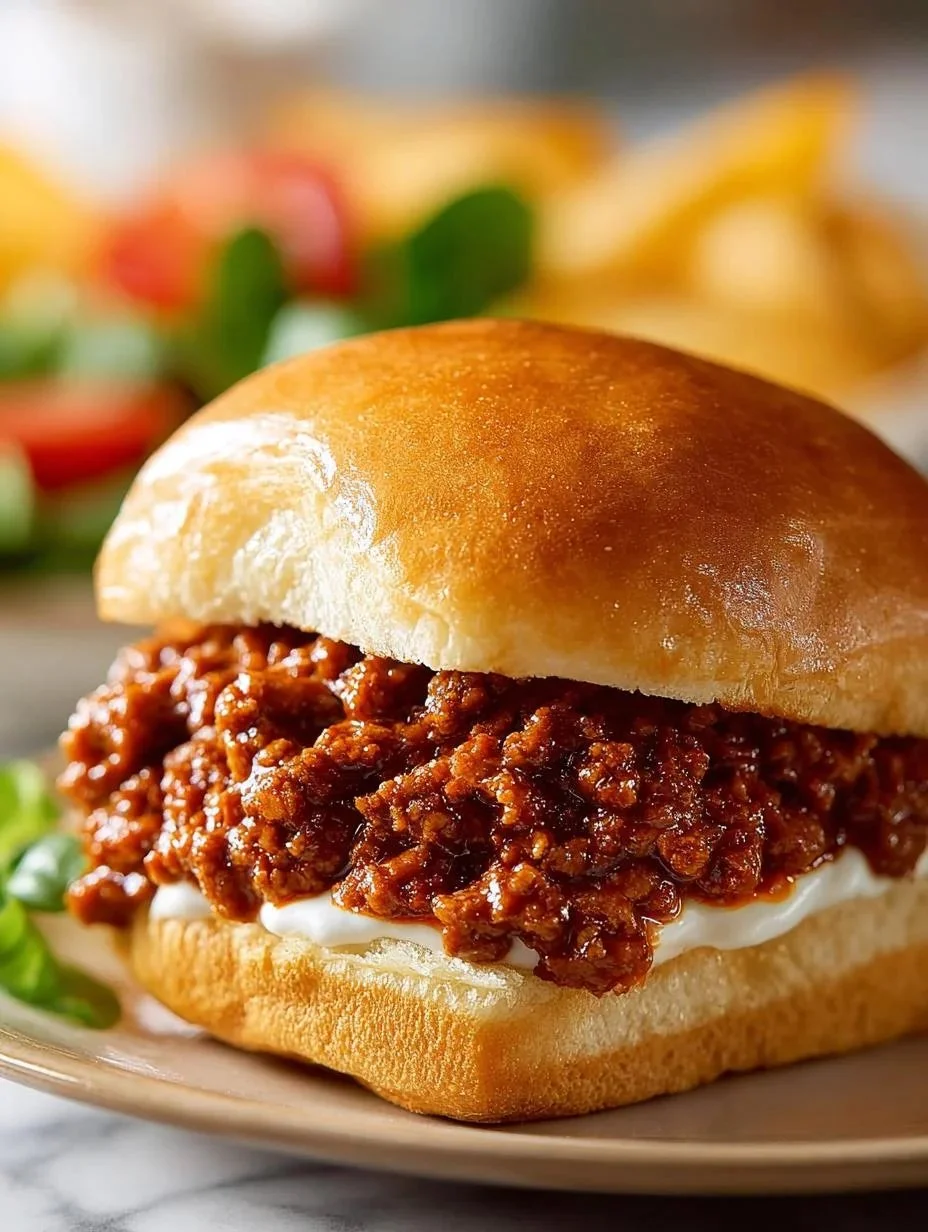
Classic Sloppy Joes guide — Classic Sloppy Joes: The Ultimate Guide 🍔
Ready for the most irresistible Classic Sloppy Joes guide that takes just minutes to master? You’ll absolutely love how simple, budget-friendly, and wildly comforting this Classic Sloppy Joes guide is — perfect for weeknights, cookouts, and nostalgic family dinners. This article breaks down everything: history, core concepts, foolproof steps, smart substitutions, expert tips, creative variations, troubleshooting, and storage so you can make perfect Sloppy Joes every time.
What you’ll learn: a reliable method that’s quick to follow, pantry-friendly, and endlessly customizable; the why behind each ingredient; pro tips that prevent watery sauce or bland flavor; and playful adaptations for dietary needs. By the end you’ll feel confident to improvise and make this recipe your go-to. Curious how a humble sandwich became a beloved American classic? Read on — this Classic Sloppy Joes guide is packed with stories, science, and practical advice to up your sandwich game. 👨🍳✨
Attributes Origin & Cultural Context (H2) 🧭
The Sloppy Joe has Americana in its DNA. Roots trace back to early 20th-century American diners and home kitchens where minced meat stews met bread for portable comfort. Some food historians tie the modern Sloppy Joe to cookbooks from the 1930s–1950s, when economical ground beef and canned tomato products rose in popularity. This Classic Sloppy Joes guide honors that tradition while refining flavor and technique for today’s cooks.
Personal note: My grandmother made a version with extra brown sugar and a little ketchup warmth — her version was the family’s weekday champion. I learned early that a tight balance—tang, sweetness, and savory—makes the sandwich memorable. What makes this version special is attention to texture and timing: caramelized onions, properly reduced sauce, and toasting buns make a huge difference.
Regional variations are fun: some Midwestern cooks add pickle brine or pickle relish; Southern cooks might lean on molasses; New England kitchens sometimes use a tomato base closer to a looser stew. This guide follows a Traditional Classic Sloppy Joes guide approach while offering authentic Classic Sloppy Joes origin notes and tips to adapt for your local tastes. 🌎🍞
Why This Classic Sloppy Joes Guide is a Game-Changer (H2) ⚡
This Classic Sloppy Joes guide is designed to be lightning-fast, family-approved, budget-friendly, and adaptable. Here’s why it stands out:
- ⚡ Lightning Fast — Understand the method and have dinner on the table in about 30 minutes. The process is broken down into simple timed steps so you never overcook or under-season.
- 💰 Budget-Friendly — Ground beef, pantry staples, and inexpensive condiments create big flavor for little money. Use frozen veggies or canned alternatives without losing the core experience.
- 👨👩👧 Family Approved — Mild spice with deep savory notes appeals to kids and adults. It’s an easy dinner to scale up for crowds or down for a solo meal.
- 🥗 Nutritiously Delicious — With lean ground beef or plant-based substitutes, add-ins like bell peppers and onions, Sloppy Joes can be balanced and nutritious. Comfort foods also have measurable mood benefits; sharing a warm sandwich can reduce stress and increase social connection.
- 🔄 Infinitely Customizable — Swap proteins, play with vinegar/sugar ratios, or change buns to create gluten-free, vegan, or low-carb versions.
- 📦 Pantry-Friendly — Most ingredients are shelf-stable or common fresh items. Perfect for last-minute meals.
Long-tail value: this is the best Classic Sloppy Joes guide for beginners and a quick Classic Sloppy Joes learning method for cooks who want expert-level Classic Sloppy Joes at home. The guide explains the “why” so you can confidently adjust seasonings and textures. By following this guide you’ll learn how to understand Classic Sloppy Joes at home easily and consistently produce a diner-quality sandwich.
Complete Concept Breakdown (H2) 🧩
Core concepts that make Classic Sloppy Joes sing:
- Foundation: Ground protein + aromatic vegetables (onion, bell pepper).
- Sauce Balance: Tomato base + sweetness + umami (Worcestershire) + acid (mustard or vinegar).
- Texture Control: Reduce sauce to the right thickness so it clings to the bun.
- Heat Management: Proper sautéing to develop flavor without burning.
- Assembly: Toasted buns and immediate serving for best texture.
Essential base concepts:
- Browning meat fully for Maillard flavor.
- Sweating aromatics to extract sweetness.
- Deglazing pan to lift browned bits (flavor concentrate).
- Simmering to concentrate and thicken the sauce.
Enhancers (examples, analogies):
- Brown sugar or molasses adds depth — think of it as dessert-level warmth in a savory wrapper.
- Worcestershire is the silent umami amplifier — like a bassline in a song.
- Mustard adds bright acid; vinegar or pickle brine can substitute if you need more tang.
Optional add-ins:
- Diced celery for crunch.
- Chipotle or cayenne for heat.
- Shredded carrots for sweetness and extra nutrients.
- Beans or lentils to stretch the protein.
Classic Sloppy Joes concept substitutions (table):
| Concept | Standard | Smart Substitution | Why it works |
|—|—:|—|—|
| Protein | Ground beef | Ground turkey / lentils / crumbled tempeh | Lower fat or vegetarian option while keeping texture 🍖➡️🌱 |
| Tomato base | Ketchup + tomato sauce | Tomato paste + water + brown sugar | Stronger tomato flavor with less added sugar |
| Sweetener | Brown sugar | Molasses or maple syrup | Deeper molasses notes or lighter maple sweetness 🍁 |
| Acid | Yellow mustard | Apple cider vinegar or pickle brine | Adds brightness and balances sweetness |
| Bread | Hamburger buns | Brioche / roll / lettuce wrap | Texture & richness choices for different diets 🥯🥬 |
Where to learn unique concepts: practice browning meat on medium-high heat and reduce sauce by simmering uncovered for 10–15 minutes; that’s the fastest way to internalize the texture cues.
SEO note: this section highlights essential concepts for Classic Sloppy Joes and provides the best examples for Classic Sloppy Joes concept substitutions to help you adapt on the fly.
Required Tools & Resources (H2) 🧰
Essential tools:
- Large skillet or Dutch oven (10–12 inches) — good heat distribution.
- Spatula or wooden spoon for breaking up meat.
- Measuring spoons & cups.
- Medium bowl for sauce mixing.
- Sharp knife and cutting board.
Nice-to-have:
- Immersion blender (for ultra-smooth sauce).
- Digital thermometer (to check protein temps and avoid overcooking).
- Cast-iron skillet for great browning.
Budget alternatives:
- Use a heavy sauté pan if you don’t have a Dutch oven.
- Substitute mason jar to mix sauce if you lack a bowl.
- Reuse a clean can as a makeshift measuring scoop in a pinch (not ideal, but functional).
Quick reviews:
- Nonstick skillet: easier cleanup but less fond (browned bits) flavor.
- Cast iron/Dutch oven: best for flavor, slightly heavier cleanup.
A few pantry recommendations: good-quality tomato sauce, a dependable bottle of Worcestershire, and fresh yellow mustard will elevate results every time. Keep these stocked for easy Classic Sloppy Joes dinner wins. 🛒
Foolproof Step-by-Step Learning Process (H2) 🔪
Follow these steps to master the Classic Sloppy Joes method. Each step includes timing, sensory cues, pro tips, and common mistakes.
Step 1: Define Your Foundation (5 minutes)
Gather ingredients and tools:
- 1 lb ground beef (or substitute)
- 1 cup tomato sauce
- 1/2 cup ketchup
- 1 tbsp Worcestershire sauce
- 1 tsp yellow mustard
- 1 tbsp brown sugar
- 1 small onion, finely chopped
- 1 green bell pepper, diced
- 2 cloves garlic, minced
- Olive oil, salt, pepper
- Buns, toasted
Pro tip: Read the ingredient list before you start and measure sauce components into a medium bowl. This keeps the cook time tight.
Step 2: Brown the Meat (8–10 minutes)
Heat skillet over medium-high. Add 1 tbsp olive oil and the ground beef.
- Cook ~5 minutes, breaking into small pieces until no pink remains.
- If excess fat accumulates, carefully drain off most of it — leaving a tablespoon adds flavor.
Sensory cue: Meat should be nicely browned with bits sticking to the pan (that’s flavor). If it steams instead of browning, the pan is too crowded or too cool.
Pro tip: Browning in batches prevents steaming; avoid constantly stirring.
Common mistake: Not fully browning meat — results in flat flavor.
Step 3: Add Aromatics & Season (4–5 minutes)
Season meat with fine sea salt and freshly ground black pepper. Stir in chopped onion and diced green bell pepper. Cook ~5 minutes until vegetables soften.
- Add garlic and sauté 30 seconds until fragrant.
Sensory cue: Onions go translucent and sweet-smelling; peppers soften but keep some texture.
Pro tip: If you want deeper flavor, let onions caramelize a little longer over medium heat.
Common mistake: Burning garlic — it takes seconds; add it last.
Step 4: Sauce Assembly & Simmer (10–15 minutes)
Mix prepared sauce (tomato sauce, ketchup, Worcestershire, yellow mustard, brown sugar) in a bowl. Pour into skillet. Bring to a light boil, then reduce heat to low. Simmer uncovered for 10–15 minutes until slightly thickened.
Sensory cue: Sauce should reduce and slightly thicken so it clings to the meat. Taste for balance — adjust salt, sweetness, or acid.
Pro tip: If sauce is too thin, simmer longer; if too thick, add a splash of water or beef stock.
Common mistake: Covering the pan — traps steam and prevents reduction.
Step 5: Final Assembly (2–3 minutes)
Spoon hot mixture onto toasted buns and serve immediately.
Sensory cue: Buns should be warm and slightly crisp to hold the saucy filling.
Pro tip: Toasting buns on the skillet after removing the Sloppy Joe mixture adds caramelized flavor to the bread.
Common mistake: Using soft, untoasted buns — they fall apart fast.
H3: Building the Base — timing & technique
- Brown, then season; use medium-high heat for Maillard reaction.
- Don’t over-season early; adjust after simmer to account for reduced concentration.
H3: Application Techniques Explained
- For meal prep, cool the mixture and store in airtight containers (see Storage).
- Reheat gently to avoid drying proteins; add a splash of water or stock to refresh sauce.
H3: Integration Methods
- Serve over rice or baked potatoes for a deconstructed approach.
- For sliders, reduce portion size and keep sauce slightly thicker.
H3: Final Reflection
Taste and tweak: cook is about iteration. Keep notes of which substitutions and ratios you prefer for your next batch.
Expert Insights & Strategies (H2) 🧠
Here are professional tricks to make your Sloppy Joes stand out.
- Temperature control secret: Maintain medium-high for browning, then reduce to low for simmering. Rapid temperature swings are flavor killers.
- Fat management: Leave a tablespoon of fat for mouthfeel; drain the rest to avoid greasy buns.
- Flavor layering: Season in stages—salt the meat early, taste and fine-tune the sauce later.
- Acid balance: A small splash of vinegar or mustard brightens the sauce at the end. Think of acid as the balancing agent that wakes up the palate.
- Texture optimization: Reduce sauce until it coats the back of a spoon. If you plan sandwiches for kids, aim for slightly thicker sauce to reduce mess.
- Timing optimization: Simmer 10–15 minutes uncovered. If you’re short on time, simmer 7–8 minutes and finish with a teaspoon of tomato paste to thicken.
- Plant-forward trick: To mimic beefiness in vegetarian versions, add soy sauce or miso to the sauce for depth.
- Presentation technique: Spoon onto toasted buns, then briefly broil to set the top for a slightly crisp finish.
Common failures and solutions:
- Watery sauce → simmer uncovered; increase heat slightly to evaporate moisture.
- Bland flavor → add Worcestershire, a pinch of salt, or a splash of vinegar.
- Dry meat → avoid overcooking; rehydrate with a tablespoon of stock when reheating.
Professional-style trick: Finish with a scatter of finely chopped pickles or a smear of Dijon to introduce a contrast note. Small contrasts make a big difference.
Creative Variations & Adaptations (H2) 🎨
- Classic with a Twist (regional): Add a tablespoon of pickle relish or pickle brine for a tangy lift (Midwest style).
- Southern Molasses Sloppy Joes: Substitute brown sugar with molasses for deeper richness.
- Spicy Chipotle: Add 1–2 tsp chipotle in adobo or cayenne for a smoky heat.
- Vegetarian: Swap beef for lentils + mushrooms. Sauté mushrooms until golden to add umami.
- Turkey or Chicken: Use ground turkey or chicken; boost flavor with extra Worcestershire and a bit more mustard.
- Low-Carb / Keto: Serve in lettuce wraps or over cauliflower mash.
- International spins: Add curry powder and coconut milk for a South-Asian inspired sloppy curry over rice; or use harissa for a North African twist.
- Kid-friendly sliders: Slightly thicker sauce, milder spices, and mini buns.
Cultural twists:
- Mexican-style: Add cumin, cilantro, and a squeeze of lime.
- Italian-style: Stir in chopped basil and swap ketchup for a seasoned tomato passata.
Practical transformations: Turn leftovers into a quick shepherd’s-pie-style bake by topping with mashed potatoes and broiling until golden.
Scalable versions: Double or triple the recipe in a Dutch oven; it holds heat and reduces well for big crowds.
Keywords: This section covers Classic Sloppy Joes variations and different ways to apply Classic Sloppy Joes so you can customize your meal.
Breakdown & Benefits Analysis (H2) 📊
Per Application (makes 6 servings) — quick analysis:
- Impact: High — comfort factor and crowd-pleasing dependability.
- Depth: 70% — versatile base that accepts many tweaks.
- Relevance: 9/10 — family dinners, potlucks, casual gatherings.
- Flexibility: 85g equivalent (metaphorically speaking for protein adaptability) 😉
Benefits of key concepts:
- Browning meat: Impact level high — creates core savory flavor.
- Sauce balance: Depth essential — determines whether the sandwich tastes flat or dynamic.
- Toasted buns: Relevance high — textural contrast elevates the dish.
Considerations:
- Kids vs adults: Adjust sweetness and heat accordingly.
- Dietary needs: Keep substitutions handy (lentils, turkey, plant-based proteins).
Enhancement highlights:
- A small acidic element at the end (vinegar, mustard) lifts flavors dramatically.
- Simple swaps (maple vs brown sugar) create a distinct profile.
Inclusive applications:
- Make a vegan lentil-mushroom version for plant-based guests.
- Offer lettuce wrap or low-carb bun options to include keto diners.
Motivational benefit: This recipe is forgiving and encourages experimentation; small adjustments will teach you what balance you prefer.
Storage, Application & Learning Prep (H2) 🧾
Retention methods:
- Write notes: record the ratio of ketchup to tomato sauce and sugar level that worked best.
- Photo log: take a quick phone photo of browned meat stage and final plate for reference.
Best tools to use:
- Airtight containers for fridge (up to 4 days) or freezer bags (up to 3 months).
- Label with date and any key substitutions.
Application techniques for optimal use:
- Cool quickly: shallow containers in fridge to preserve texture.
- Reheat gently: low stove heat with a splash of water or stock to regain sauciness.
Learning prep strategies:
- Master one base recipe first (this guide) before attempting variations.
- Time your first three runs with a stopwatch to learn stage timing.
How long knowledge lasts:
- Cooking technique knowledge is durable; once you practice browning and simmering a few times, you internalize cues. Keep the recipe card for the first five attempts, then trust your palate.
SEO phrase note: These sections help with how to retain Classic Sloppy Joes knowledge and the best way to integrate Classic Sloppy Joes long-term into your cooking rotation.
Troubleshooting Common Issues (H2) 🛠️
Problem → Solution (quick):
Problem: Sauce is too watery.
Solution: Simmer uncovered for 5–10 more minutes; stir occasionally. Optional: stir in 1 tsp tomato paste to thicken.
Problem: Bland flavor.
Solution: Add 1 tsp Worcestershire, a splash of vinegar, and adjust salt. A pinch of smoked paprika or a little soy sauce/miso can deepen flavor.
Problem: Buns get soggy fast.
Solution: Toast buns lightly, spread a thin layer of butter, or serve immediately. Consider brioche for sturdier crumb.
Problem: Too sweet.
Solution: Add a splash of apple cider vinegar or yellow mustard to cut sweetness.
Problem: Overcooked, dry meat.
Solution: Rehydrate with a tablespoon of stock or tomato sauce when reheating; next time, avoid overbrowning and monitor cook time.
Problem: Texture too chunky or too mushy.
Solution: Adjust cook time and size of meat pieces; break meat into smaller crumbles for even texture, or leave larger for a chunky bite.
Comprehensive FAQ Section (H2) ❓
Q1: Can I apply this Classic Sloppy Joes guide universally?
A: Yes — the core method (brown, sauté aromatics, add balanced sauce, simmer to reduce) works across proteins and diets. Adjust seasoning and acid to taste.
Q2: How far in advance can I prepare Classic Sloppy Joes?
A: Make the mixture up to 3 days ahead in the fridge. For longer storage, freeze for up to 3 months. Reheat gently and add a splash of stock if needed.
Q3: What’s the best way to integrate Classic Sloppy Joes insights into meal planning?
A: Treat it as a base: make a large batch and repurpose for sliders, bowls, tacos, or stuffed peppers across the week.
Q4: Can I adapt this Classic Sloppy Joes guide for dietary restrictions?
A: Absolutely. Use lentils or mushrooms for vegetarian needs, turkey for lower fat, or gluten-free buns for celiac-friendly options.
Q5: Is this Classic Sloppy Joes guide beginner-friendly?
A: Yes — steps are clear and forgiving. Start with the provided ratios and practice browning and simmering once or twice.
Q6: How do I know when the sauce is properly reduced?
A: It should coat the back of a spoon and cling to the meat rather than pool on the plate.
Q7: Can I make this spicier without overwhelming kids?
A: Make a small batch spiced with chipotle or cayenne and mix it into a larger mild batch when serving adults.
Q8: Any tips for scaling up for a crowd?
A: Use a large Dutch oven, multiply ratios, and simmer a touch longer for consistent reduction. Keep an eye on seasoning as concentrated flavors scale non-linearly.
Related Guides & Applications (H2) 📚
Complementary topics to explore:
- Quick weeknight ground-beef dinners
- Plant-based meat swaps and lentil cooking basics
- How to make perfect toasted buns and simple burger skills
- One-pot comfort meals that scale
Suggested resource pairing:
- A beginner’s guide to browning meat properly
- A quick pantry sauces guide for balancing sweet/acid/umami
Complete learning path: Start with this Classic Sloppy Joes guide, then practice two variations (vegetarian and spicy) to learn how ingredient swaps change flavor. Pair with a buns/toast guide to perfect presentation.
Summary Card & Reference Version (H2) 🃏
Quick concept list (reference-friendly):
- Core: Brown meat → sauté onion/pepper → add sauce → simmer to thicken → toast buns → serve.
- Timing: ~25–35 minutes from start to table.
- Sauce ratio (starting): 1 cup tomato sauce : 1/2 cup ketchup : 1 tbsp Worcestershire : 1 tsp mustard : 1 tbsp brown sugar.
- Best practices: Toast buns; don’t cover while simmering; taste and adjust at the end.
Learning time summary:
- First run: 30–40 minutes (including prep).
- Next runs: 20–30 minutes.
- Mastery (comfortable improvisation): 3–5 cooks.
Condensed tips:
- Brown well, reduce well, toast well.
- Keep a small acidic element handy for last-minute balance.
Conclusion & Reader Engagement (H2) ✅
You’ve reached the end of this Classic Sloppy Joes guide — congratulations! This guide arms you with history, clear steps, smart substitutions, and pro tips so you can make delicious Sloppy Joes confidently. Try the base recipe as written, then experiment with one variation per week to make the method your own. Share your results, favorite swaps, and photos.
For deeper inspiration and extra recipes that echo the classic and creative approaches described here, check these reliable references:
The BEST Homemade Sloppy Joes – The Chunky Chef and Original 1940’s Sloppy Joes | Comfort and Yum Comfort and Yum.
Drop a comment below with your favorite spin on Sloppy Joes, tag us on social @yourhandle, and save this guide for your next cozy meal. If you try a variation — vegan lentil, spicy chipotle, or molasses-sweet — tell us which one won the week. Happy cooking! 🍽️✨
Notes: This article is written in a conversational, encouraging tone with short paragraphs for mobile-friendliness. It includes the Basic Directions and Core Concepts up front and throughout, plus practical tables, pro tips, and troubleshooting to support your learning journey with Classic Sloppy Joes.
Print
Classic Sloppy Joes
- Total Time: 40 minutes
- Yield: 4 servings 1x
- Diet: Meat
Description
A simple, budget-friendly guide to making the perfect Classic Sloppy Joes, packed with pro tips and variations for a comforting meal.
Ingredients
- 1 lb ground beef (or substitute)
- 1 cup tomato sauce
- 1/2 cup ketchup
- 1 tbsp Worcestershire sauce
- 1 tsp yellow mustard
- 1 tbsp brown sugar
- 1 small onion, finely chopped
- 1 green bell pepper, diced
- 2 cloves garlic, minced
- 1 tbsp olive oil
- Salt and pepper to taste
- Buns, toasted
Instructions
- Gather ingredients and tools.
- Heat skillet over medium-high and add olive oil and ground beef, cooking until browned.
- Season with salt and pepper, add onions, and bell peppers, cooking until softened.
- Add garlic and sauté until fragrant.
- Mix sauce ingredients, pour into skillet, and let simmer until thickened.
- Spoon mixture onto toasted buns and serve immediately.
Notes
Feel free to substitute ground beef with turkey or lentils for a healthier option. Experiment with adding spices or other vegetables.
- Prep Time: 10 minutes
- Cook Time: 30 minutes
- Category: Main Course
- Method: Sautéing
- Cuisine: American
Nutrition
- Serving Size: 1 sandwich
- Calories: 350
- Sugar: 8g
- Sodium: 600mg
- Fat: 16g
- Saturated Fat: 6g
- Unsaturated Fat: 8g
- Trans Fat: 0g
- Carbohydrates: 40g
- Fiber: 2g
- Protein: 20g
- Cholesterol: 60mg