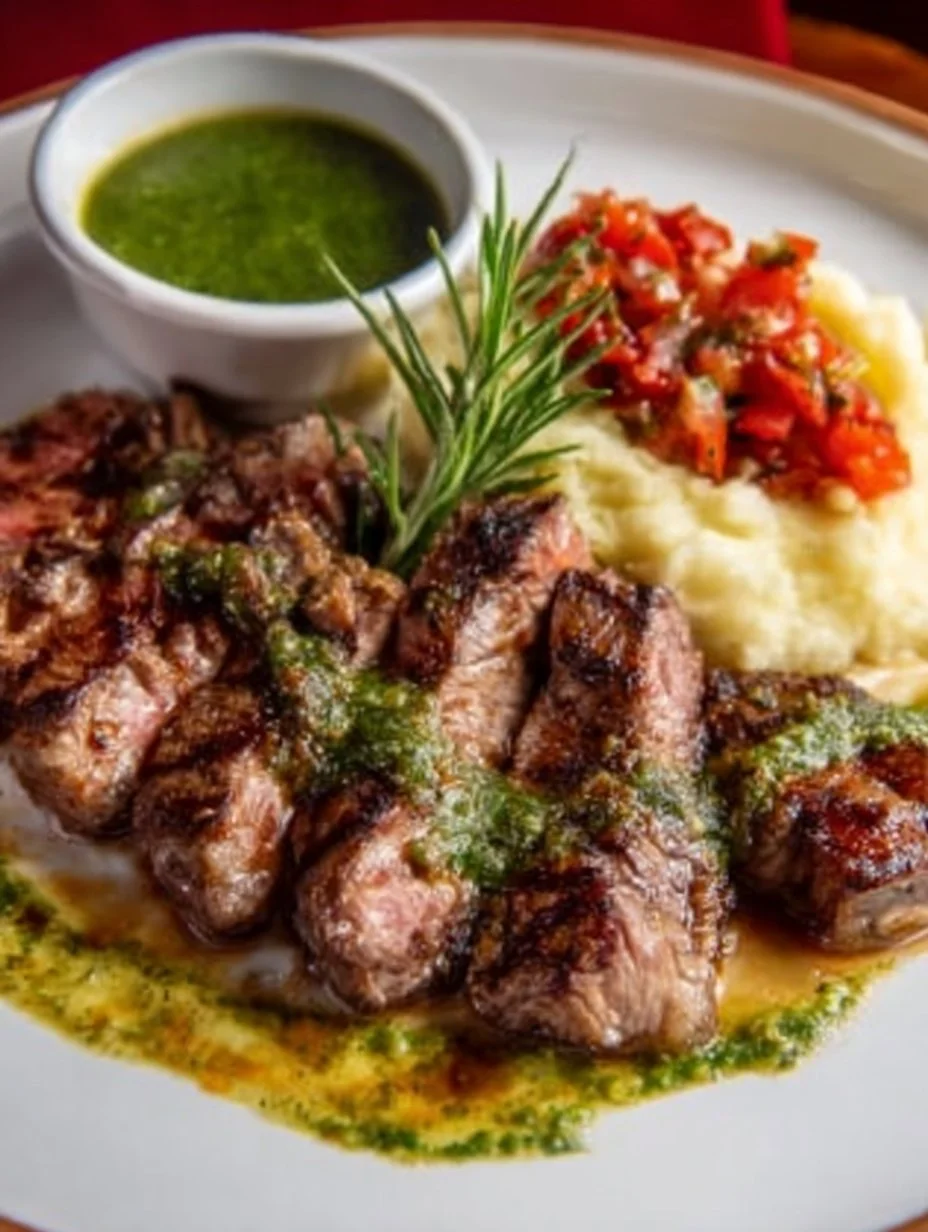
Christmas Main Course Dinner Ideas guide: The Ultimate Holiday Main Course 🎄🍽️
Ready for the most irresistible Christmas Main Course Dinner Ideas guide that takes just a few clear concepts to master? You’ll absolutely love how this Christmas Main Course Dinner Ideas guide breaks tradition down into quick, customizable steps so you can serve an incredible holiday centerpiece—whether you’re hosting a cozy family supper or a larger celebration. In the next few minutes you’ll learn practical recipes and techniques, budget-friendly swaps, and presentation tricks that are both foolproof and game-changing.
This guide will walk you from classic roasts to vegetarian showstoppers, explain why each approach works, and give you a step-by-step learning method so you can practice and perfect your favorite dish. Want a warming drink pairing? Check holiday drinks like this Christmas morning chai latte to set the tone while your main cooks. By the end you’ll have a confident, flexible plan to serve an unforgettable main course. Let’s get cooking!
Basic Directions: Preparation, Cooking, Serving, Storage
Preparation: Plan the centerpiece (turkey, ham, roast, or vegetarian roast), shop 3–5 days ahead for best produce, and marinate or brine larger proteins 12–48 hours before cooking.
Cooking: Use a reliable thermometer, rest meat 15–30 minutes before carving, and time sides to finish 10–15 minutes after the main.
Serving: Present on a warm platter, garnish with herbs and roasted citrus, and offer two to three sauce options.
Storage: Cool quickly, refrigerate within 2 hours, and use leftovers within 3–4 days (or freeze portions up to 3 months).

Attributes Origin & Cultural Context 🕯️ (Traditional Christmas Main Course Dinner Ideas guide)
Christmas main courses have deep cultural roots: from British roast beef and goose to Scandinavian glazed ham and West African spiced nuts. Over centuries, communities adapted available ingredients into celebratory centerpieces — think preserved meats in winter climates or fish-based mains in coastal regions. My own family alternated between a butter-brined turkey passed down from my grandmother and a vegetarian nut roast my aunt perfected when guests had dietary restrictions. Those dual traditions shaped this guide: it honors classic flavors while making room for modern substitutions and dietary needs.
What makes this version special is its cross-cultural approach — blending tangy British cranberry sauces, smoky American glazes, and aromatic spice blends from other parts of the world. Regional variations mean one household’s “classic” could be another’s novelty; that’s the joy of Christmas Main Course Dinner Ideas explained as living traditions. If you enjoy seafood-centric mains, explore seafood comfort ideas like this salmon soup dinner for inspiration on coastal twists.
Why This Christmas Main Course Dinner Ideas Guide is a Game-Changer ⚡ (How to understand Christmas Main Course Dinner Ideas at home easily)
This Christmas Main Course Dinner Ideas guide is designed to be fast to learn, budget-friendly, family-approved, and endlessly adaptable. Here’s how it delivers on each promise:
- Lightning Fast: Learn the core methods in under 60 minutes—learning yields immediate results. You’ll understand timing and temperature basics so you can plane your entire holiday in one session. This is a quick Christmas Main Course Dinner Ideas guide for beginners that gets you confident rapidly.
- Budget-Friendly: The guide gives pantry swaps and low-cost centerpieces (like spatchcocked chicken or roasted winter squash) that mimic high-end flavor. Use common staples and simple spice blends to create complexity without breaking the bank.
- Family Approved: Recipes prioritize crowd-pleasing textures (crispy skin, creamy sides, balanced acidity). They’re designed to please kids and adults alike with mild and bold serving sauces on the side.
- Nutritiously Delicious: Thoughtful pairings add vegetables and fiber to create a balanced plate — a small mental-health boost comes with family meals that feel nourishing and festive.
- Infinitely Customizable: Swap proteins, adjust spice levels, and scale up for guests. This guide shows you how to adapt a roast recipe to be vegetarian, gluten-free, or lower sodium without losing the holiday spirit.
- Pantry-Friendly: Emphasis on ingredients that many cooks already have: citrus, stock, herbs, flour, and sturdy vegetables. That means less last-minute shopping and more time enjoying company.
This is the best Christmas Main Course Dinner Ideas guide for beginners because it explains the why behind techniques (searing to lock flavor, resting to retain juices) and offers expert-level Christmas Main Course Dinner Ideas at home by breaking complex dishes into achievable steps. The learning method is simple: learn one main technique well, practice on smaller portions, then scale.
Complete Concept Breakdown 🧭 (Essential concepts for Christmas Main Course Dinner Ideas)
Main concepts (organized by category)
- Essential base concepts
- Heat control and timing: understanding oven vs. stovetop heat.
- Resting and carving: why letting meat rest matters.
- Balance of flavors: savory, sweet, acidic, and bitter in holiday sauces.
- Enhancers (examples, analogies)
- Glazes: sugar + acid = shine and depth (citrus + honey or maple + mustard).
- Aromatics: bay, rosemary, star anise for layered flavor.
- Optional add-ins
- Stuffings vs. side-stuffing: benefits and safety tips.
- Textural toppers: toasted nuts, citrus zest, panko crumbs.
- Applications and examples
- Roast turkey with herb butter, glazed ham with clove and pineapple, stuffed squash with quinoa and cranberries, baked salmon en croûte.
Detailed explanations for key concepts:
- Searing locks flavor through the Maillard reaction — use high heat briefly to create color, then finish at a lower temperature for even doneness.
- Brining or marinating increases moisture retention and flavor penetration; time and salt concentration matter.
- For vegetarian mains, binders like egg, flax, or mashed root veg create structure; roast at moderate heat to develop a crust.
Smart substitutions table (contextual swaps):
- Turkey → Spatchcocked chicken for faster cooking and smaller guest lists.
- Beef Wellington → Mushroom wellington for vegetarians.
- Cranberry sauce → Pomegranate molasses glaze if you want more tartness.
- Dairy butter → Olive oil or vegan butter for lactose-free diets.
Learning and application tips:
- Practice one technique per week (roasting, searing, glazing).
- Use leftovers creatively — roast trimmings can flavor soups or croquettes.
- Where to learn [unique concept]: local cooking classes or online demos focusing on roast techniques help accelerate mastery.
Related pairings and examples: combine mains with sides like sweet potato rolls (sweet potato dinner rolls) to echo seasonal flavors and colors.
Required Tools & Resources 🧰 (Essential tools list)
Essential tools:
- Instant-read thermometer (non-negotiable for perfect doneness).
- Roasting pan with rack.
- Sharp carving knife and fork.
- Heavy skillet for searing (cast iron preferred).
Nice-to-have resources:
- Meat injector for deeper brines.
- Hera-style Dutch oven for one-pot mains.
- Probe thermometer that connects to a phone for worry-free roast monitoring.
Budget alternatives:
- Use a wooden dowel or skewer as a thermometer alternative (check juices) but invest in an instant-read thermometer when possible. A baking sheet + cooling rack can substitute for a roasting rack.
Specific recommendations with brief reviews:
- Instant-read thermometer: fast readings reduce overcooking.
- Cast-iron skillet: great for searing and oven finishing.
(Internal link reminder: you can revisit drink pairings or side ideas like this Christmas morning chai latte to complete the sensory experience.)
Foolproof Step-by-Step Learning Process 🧑🍳 (How to master Christmas Main Course Dinner Ideas like a pro)
Step 1: Define Your Foundation (5 minutes)
Decide on the main protein or centerpiece: turkey, ham, beef, salmon, squash, or nut roast. Consider guest numbers and dietary needs. Pro tip: start with a smaller practice roast a month before the holiday to test timing. Common mistake: overcommitting to an unfamiliar technique the first time; test-run is safer.
Step 2: Plan Your Timeline (15–30 minutes)
Write a timeline backward from mealtime. Assign each side and sauce a finish time 10–15 minutes staggered after the main. Pro tip: put cooling trays and warming drawer usage on the timeline. Common mistake: forgetting to rest the main; carve only after proper resting.
Step 3: Prep & Mise en Place (30–60 minutes)
Chop, measure, and pre-mix rubs and glazes. Brine or marinate if applicable. Pro tip: label containers with day-of-use to avoid confusion during service. Sensory cue: aromatic herbs and citrus should smell bright and fresh.
Step 4: Execute Core Technique (Depends on main)
- For roast turkey: sear or high-heat start, then lower oven to roast evenly; use an instant-read thermometer to 160–165°F (then rest to final 165°F).
- For glazed ham: score fat, apply glaze in last 20–30 minutes to prevent burning.
- For vegetarian roast: ensure binder is firm before slicing, chill if needed.
Pro tip: tent with foil loosely while resting to retain heat but avoid sogginess.
H3 Building the Base
Master browning and steady oven heat. When you can consistently achieve a golden crust and correct internal temps, you’ve built a reliable foundation.
H3 Application Techniques Explained
Learn when to use high-heat searing vs. slow roasting. High heat adds texture; low-and-slow develops tenderness. Combine methods for best results.
H3 Integration Methods
Coordinate sides with the main. For example, roast root vegetables can share the oven space if temperatures and timing align. Pro tip: roast vegetables on a separate rack below the meat to catch flavorful drippings.
H3 Final Reflection (10 minutes)
After plating, note what worked: timing, seasoning, oven management. Keep a short "what I’d change" list for next time.
Step 5: Presentation & Service (10–15 minutes)
Warm plates slightly, carve with confident strokes, and offer 2–3 sauces at the table. Pro tip: garnish with bright citrus or microgreens for color contrast.
Step 6: Storage & Leftover Transformation (10 minutes)
Portion leftovers into shallow containers to cool quickly. Label with date and ideas for reuse: sandwiches, soups, pies. Common mistake: letting large carcasses cool on the counter too long—divide into smaller portions.
Total practice time: expect 3–4 full practice runs for mastery. This stepwise repetition is the quickest Christmas Main Course Dinner Ideas learning method.
Expert Insights & Strategies 🧠 (Expert-level Christmas Main Course Dinner Ideas at home)
- Technique 1: Reverse Sear for dense roasts — slow roast, then high-heat sear for a perfect crust. This controls internal temperature and maximizes flavor.
- Technique 2: Compound butters and herb pastes — apply under the skin for deep herb infusion.
- Technique 3: Finish with acid — a splash of sherry, vinegar, or citrus brightens rich mains.
- Technique 4: Temperature mapping — assign internal temps for each meat cut and use a probe thermometer to avoid guesswork.
- Technique 5: Sauce layering — build in stages: fond → deglaze → simmer → finish with butter.
- Technique 6: Adaptive timing — cook two mains on different racks with temperature offsets to synchronize finishes.
Common failures and solutions:
- Overcooking: solution — rely on thermometer, not time alone.
- Dull flavor: solution — finish with acid and seasoning checks before serving.
- Soggy skin: solution — increase initial oven temp or finish under broiler briefly.
Professional-style tricks:
- Use a roasting rack for airflow and even browning.
- Resting under lightweight tent keeps carving temperature stable without steaming the crust.
Timing optimization tips:
- Bake sides that reheat well (casseroles, gratins) ahead and warm during resting period.
- Use induction or double burners to keep warm sauces at serving temp.
Enhancement strategies:
- Introduce a surprise element (smoky salt, aged cheese crumble) to elevate familiar mains.
Quote: “The secret to a memorable holiday main isn’t complexity — it’s timing and seasoning.” — Chef Miriam Alvarez (culinary instructor)
Creative Variations & Adaptations 🎨 (Christmas Main Course Dinner Ideas variations)
Contextual variations:
- Small gathering: Try roasted Cornish hens spatchcocked for quicker service.
- Larger parties: Traditional turkey or glazed ham scaled up with make-ahead gravies.
Application modifications:
- Personal (family): milder seasoning, more familiar sides.
- Professional (party/catered): bold glaze and decorative plating for visual impact.
Cultural twists:
- Scandinavian: mustard-and-bay glazed ham with pickled beets.
- Caribbean: jerk-spiced roasted pork with tropical fruit salsa.
- Mediterranean: herb-stuffed leg of lamb with preserved lemon.
Practical transformations:
- Turn a roast into tacos the next day with pulled-meat fillings, quick slaw, and warm tortillas.
- Make a vegetarian main into a vegan feast by swapping dairy binders for flax egg or aquafaba.
Scalable versions:
- Mini nut-roasts or stuffed mushrooms for buffet-style service.
- Large roast for sit-down dinners with carved stations.
Keywords woven naturally: These customizable Christmas Main Course Dinner Ideas variations make the method accessible for any host, demonstrating different ways to apply Christmas Main Course Dinner Ideas and tailor them to guests.
Breakdown & Benefits Analysis 📊 (Per Application analysis)
Per Application (makes X insights)
Roast Turkey
- Impact: High (crowd-pleaser)
- Depth: 85% (classic technique mastery required)
- Relevance: 10/10
- Flexibility: 2–10 servings
Glazed Ham
- Impact: Very High (visual showstopper)
- Depth: 60% (easy glazing technique)
- Relevance: 9/10
- Flexibility: excellent for make-ahead
Vegetarian Nut Roast
- Impact: Moderate-High (inclusive)
- Depth: 70% (binder and texture control)
- Relevance: 8/10
- Flexibility: high for dietary swaps
Enhancement highlights:
- Adding citrus-based condiments reduces perceived richness and increases satisfaction.
- Inclusive applications make holiday meals accessible to varied dietary needs, which boosts community feeling and reduces stress.
Motivational benefits:
- Practicing one method builds confidence for future celebrations.
- Growth-boosting properties: each success expands your repertoire and comfort level in hosting.
Storage, Application & Learning Prep 📦 (How to retain Christmas Main Course Dinner Ideas knowledge)
Proper retention methods:
- Keep a holiday recipe log with timings, oven idiosyncrasies, and adjustments. Jot notes immediately after service.
- Photograph plating and label photos with dates and guest feedback.
Best tools to use:
- Digital timers and phone-based probes for repeatable results.
- Cloud notes or a simple spreadsheet for ingredient swaps and portion scaling.
Application techniques for optimal use:
- Create a “day-of” run sheet and practice it once before the holiday. Include everyone’s roles for seamless service.
- Use labels and containers for mise en place to reduce day-of stress.
Learning prep strategies:
- Short practice sessions focusing on one skill each week (searing, brining, glazing).
- Pair practice with a small dinner to test temps and taste.
How long knowledge lasts:
- With one practice run and written notes, you can retain timing and technique reliably for 6–12 months. Repeat annually to refine.
SEO phrase integration: This section helps answer can you apply Christmas Main Course Dinner Ideas long-term by giving retention strategies and the best way to integrate Christmas Main Course Dinner Ideas into your holiday routine.
Troubleshooting Common Issues 🛠️ (Problem → Solution)
Problem: Dry turkey breast
Solution: Brine ahead, cook to temp and rest, consider slicing against the grain and serving with a moist gravy.
Problem: Burned glaze on ham
Solution: Apply glaze in the final 20–30 minutes and monitor under low broil, stirring sugar-heavy glazes less frequently.
Problem: Nut roast crumbles when sliced
Solution: Increase binder (egg/flax), chill before slicing, and use a serrated knife with gentle sawing motion.
Problem: Oven hot spots causing uneven browning
Solution: Rotate pan mid-cook, use a convection setting if available, or shift racks to compensate.
Problem: Timing chaos with many sides
Solution: Stagger cook times, reheat sturdy sides during the main’s resting time, and assign a warming station.
Comprehensive FAQ Section ❓ (Christmas Main Course Dinner Ideas guide for beginners)
Q1: Can I apply this Christmas Main Course Dinner Ideas guide universally?
A1: Yes — the methods (timing, brining, resting, glazing) are broadly applicable. Adjust seasonings and swaps for cultural tastes.
Q2: How far in advance can I prepare the main?
A2: Brines and marinades 12–48 hours prior; ham and some roasts can be fully cooked the day before and gently re-warmed.
Q3: What’s the best way to integrate Christmas Main Course Dinner Ideas insights into a small kitchen?
A3: Use cook-ahead sides, invest in an instant-read thermometer, and practice staging tasks to use counter space efficiently.
Q4: Can I adapt this Christmas Main Course Dinner Ideas guide to be vegetarian or vegan?
A4: Absolutely — many mains can be converted using beans, grains, nuts, and vegetable binders; finish with vegan glazes and sauces.
Q5: Is this guide beginner-friendly?
A5: Yes — start with simpler mains like spatchcocked chicken or glazed ham and progress to more complex roasts.
Q6: What’s the ideal resting time for large roasts?
A6: 15–30 minutes depending on size; this allows juices to redistribute and makes carving cleaner.
Q7: How do I scale recipes for large groups?
A7: Scale up by cooking more than one main or choosing a larger roast. Stagger cooking schedules and ensure adequate carving space and warmers.
Q8: How can I make dishes ahead without losing quality?
A8: Cook mains that reheat well, refrigerate in portions, and reheat gently in the oven with a splash of stock to retain moisture.
Related Guides & Applications 🔗
- Pairing mains with drinks and desserts: consider mulled wines or cider and a light citrus tart. (See drink pairings like Christmas morning chai latte.)
- Side-focused guides: roasted root vegetables, gratins, and fresh salads to complement rich mains.
- Complete menu planning: guides on timing, table setting, and kid-friendly plating help create a seamless experience.
These companion paths create a full learning journey: main → sides → beverages → service.
Summary Card & Reference Version 🗂️
Quick Concept List:
- Choose the right centerpiece for guests.
- Master one technique (roast, sear, glaze).
- Use thermometer; rest meat.
- Layer flavors (salt → aromatics → acid).
- Make-ahead where possible; reheat gently.
Learning time summary:
- Foundation learning: 1–2 practice sessions.
- Confident execution: 3–4 runs or one careful rehearsal before the holiday.
- Repetition: annual improvement yields mastery.
Reference-friendly format:
- Core tools: thermometer, roasting pan, sharp knife.
- Essential steps: preheat → season → cook to temp → rest → carve → serve.
Conclusion & Reader Engagement ✅
Thank you for reading this Christmas Main Course Dinner Ideas guide — I hope it inspires an incredible, stress-free centerpiece for your holiday table. If you want more recipes and inspiration to complement the mains above, check curated collections like 12 Christmas Main Dishes To Transform Your Holidays for creative ideas and 33 Delicious Christmas Main Dishes Everyone Will Love for crowd-pleasing classics. Drop a comment below with your insights, tag us on social @yourhandle, and save this guide for your next holiday project. Happy cooking — and enjoy the warm moments around the table! 🎄🍽️
If you try a dish from this guide, share a photo and note what you’d tweak next time — I love hearing your adaptations and helping you refine them.
Print
Christmas Main Course Dinner Ideas
- Total Time: 180 minutes
- Yield: 6-8 servings
- Diet: Varies (Vegetarian options available)
Description
A comprehensive guide to preparing show-stopping Christmas main courses, blending classic traditions with modern adaptations.
Ingredients
- Turkey or Ham (or Vegetarian Roast)
- Herbs (rosemary, thyme)
- Citrus (orange, lemon)
- Stock (chicken or vegetable)
- Seasonings (salt, pepper, garlic)
- Vegetables (carrots, potatoes)
- Glaze ingredients (honey, mustard, brown sugar)
Instructions
- Plan your centerpiece and ingredients 3-5 days ahead of cooking.
- Prep and marinate your main protein 12-48 hours prior.
- Preheat your oven and use a reliable thermometer.
- Rest the meat for 15-30 minutes before carving.
- Serve on a warm platter with garnishes and sauces.
- Store leftovers properly for future meals.
Notes
Practice one core technique per week to build confidence and skill.
- Prep Time: 60 minutes
- Cook Time: 120 minutes
- Category: Main Course
- Method: Roasting
- Cuisine: Christmas Holiday
Nutrition
- Serving Size: 1 serving
- Calories: 450
- Sugar: 10g
- Sodium: 500mg
- Fat: 20g
- Saturated Fat: 7g
- Unsaturated Fat: 10g
- Trans Fat: 0g
- Carbohydrates: 40g
- Fiber: 4g
- Protein: 25g
- Cholesterol: 70mg