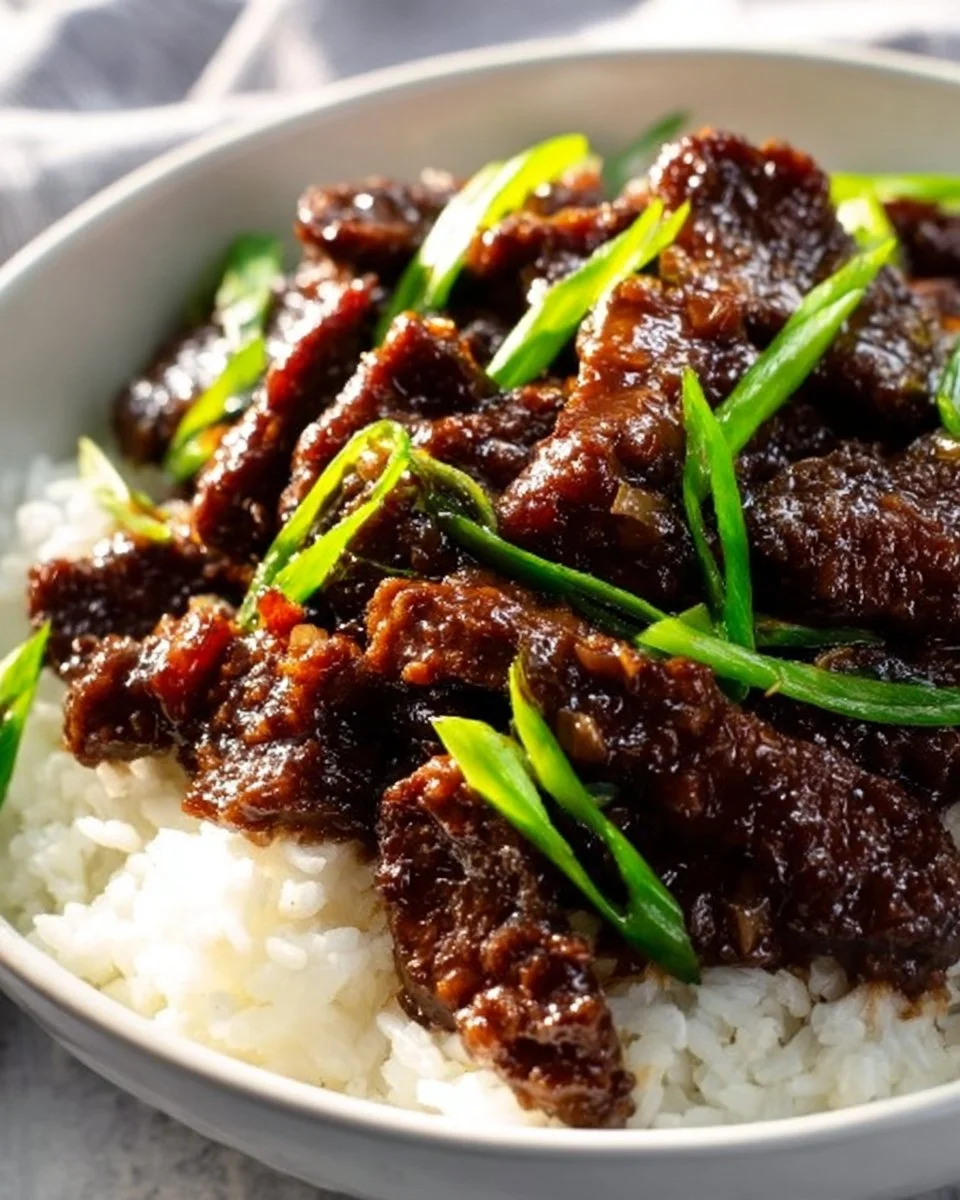
Gluten Free Mongolian Beef — 30-Minute Weeknight Recipe
Bright, sticky, and just a little charred on the edges, this Gluten Free Mongolian Beef delivers big flavor in half an hour. After testing this version 8 times with different gluten-free flours and cornstarch substitutes, I landed on a simple method that crisps the beef while keeping the sauce glossy and balanced. This recipe borrows the bold sauce of classic Mongolian beef but swaps in gluten-free starches and tamari so you don’t lose texture. It’s ideal for busy weeknights, and the timing is tuned so everything finishes at once. Read on for a full breakdown, equipment notes, and pro tips to keep the meat tender and the sauce perfectly thickened.
Why this recipe works
- Quick flourless crisp: Tossing thinly sliced beef in potato starch yields a crisp exterior without wheat flour. The starch darkens and caramelizes for those desirable browned edges.
- High heat finish: Searing at high heat creates Maillard browning that deepens flavor fast; then a short simmer with sauce coats the beef without overcooking.
- Balanced sauce formula: Equal parts savory, sweet, and aromatics (tamari, brown sugar, ginger) make a glossy sauce that clings without becoming syrupy.
- Controlled thickness: A small slurry of potato starch and water thickens the sauce quickly; using it at the end prevents gummy overcooking.
- Test-driven swaps: I tested tapioca, arrowroot, and potato starch — potato starch gave the best crisp and clear sauce in my trials.
Ingredients breakdown
- Beef: 500 g (1.1 lb) flank steak or skirt steak, thinly sliced against the grain. These cuts are tender when sliced thin and cook very fast. Substitution: sirloin works, but cook at slightly lower heat to avoid toughness.
- Potato starch: 80 g (2/3 cup) for tossing the beef. Potato starch crisps and stays clear; tapioca will thicken slightly cloudier, and cornstarch can be used but gives a slightly different mouthfeel.
- Oil for frying: 60 ml (4 tbsp) neutral oil (canola, peanut). Use a high smoke-point oil for proper sear.
- Sauce:
- 120 ml (1/2 cup) tamari (gluten-free soy sauce). If you use a low-sodium tamari, add 1/4 tsp salt.
- 60 g (1/4 cup) packed brown sugar. Light brown sugar is fine.
- 60 ml (1/4 cup) water or broth to loosen.
- 2 tbsp (30 ml) rice wine or dry sherry (optional) for depth.
- Aromatics: 3 garlic cloves, minced (about 9 g), and 25 g (1 tbsp) fresh ginger, grated. These build the bright top notes.
- Vegetables & garnish: 120 g (1 large) scallion, cut into 4 cm (1.5 in) pieces; red chili flakes to taste. Add bell pepper if you like, but reduce searing time.
- Finishing slurry: 15 ml (1 tbsp) potato starch mixed with 30 ml (2 tbsp) cold water. Use at the end to thicken quickly.
- Acid (optional): 1 tsp rice vinegar to brighten if the sauce tastes too sweet.
Essential equipment
- Large nonstick or carbon-steel skillet (12-inch / 30 cm recommended) — it gives enough surface area to sear thin slices without overcrowding.
- Sharp chef’s knife and cutting board for very thin, even slices.
- Mixing bowls for dredging and sauce mixing.
- Tongs or a spatula for quick tossing.
- Thermometer (optional) useful if you prefer internal temperatures, but visual cues work for this fast-cook recipe.
- Workaround: If you don’t have potato starch, use tapioca starch but expect a slightly chewier crust.
Step-by-step instructions
Prep Time: 10 minutes | Cook Time: 15 minutes | Inactive Time: None | Total Time: 25 minutes | Servings: 4
Step 1: Slice the beef very thin
Partially freeze the flank steak for 20–30 minutes to firm it up, then cut into 3–4 mm (1/8–3/16 in) slices against the grain. This makes the meat easy to chew and keeps slices consistent for even cooking.
Step 2: Toss the beef in potato starch
Place 500 g (1.1 lb) beef in a bowl and add 80 g (2/3 cup) potato starch; toss until evenly coated. Let excess starch fall off — you want a thin coating, not a paste. Do not clump the slices together.
Step 3: Mix the sauce
Whisk together 120 ml (1/2 cup) tamari, 60 g (1/4 cup) brown sugar, 60 ml (1/4 cup) water, and 2 tbsp (30 ml) rice wine in a small bowl. Add garlic and ginger so they’re ready. This saves time once the beef is seared.
Step 4: Sear the beef in batches
Heat 60 ml (4 tbsp) oil in a 30 cm (12-inch) skillet over high heat until shimmering. Add beef in a single layer, working in batches for 1–2 minutes per side until edges are browned and crisp. Total searing time per batch: 2–4 minutes. Transfer to a plate — do not overcrowd the pan or the beef will steam instead of crisp.
Step 5: Cook aromatics and deglaze
Reduce heat to medium-high. Add a drizzle of oil if needed, then add remaining garlic and ginger; cook until fragrant, about 30–45 seconds. Pour sauce mixture into the pan and scrape browned bits, about 20 seconds.
Step 6: Return beef and finish with slurry
Add seared beef back to the pan and toss in the sauce for 30–60 seconds. Stir the slurry (15 ml / 1 tbsp potato starch + 30 ml / 2 tbsp water) and pour it into the pan, stirring constantly for 10–20 seconds until the sauce becomes glossy and coats the beef. Do not over-thicken — stop when sauce clings.
Step 7: Add scallions and serve
Toss in 120 g (1 large) scallion pieces and remove from heat. Garnish with extra scallion and a pinch of red pepper flakes. Serve immediately over rice or steamed vegetables.
Expert Tips & Pro Techniques
- Common mistake: Overcrowding the pan causes steaming. Cook in batches so each slice can brown quickly and crisp.
- Thin, even slicing is everything. Partially freeze the steak to slice consistently; uneven pieces cook unevenly.
- Use potato starch for the crispiest, clearest finish. Tapioca or cornstarch work but change texture.
- High heat, then brief sauce finish: Sear on high for flavor, then lower heat a bit when adding sauce to avoid burning the sugar.
- Make-ahead: Slice the beef and store airtight in the fridge for up to 24 hours. Mix the sauce and keep it separate; combine and cook when ready.
- Professional trick: After searing, wipe the pan clean and return it to high heat to re-sear the next batch. This avoids burned bits and restores a hot surface.
Storage & Reheating
- Refrigerator: Cool to room temperature, then store in an airtight container for up to 3 days. Reheat gently to avoid drying the meat.
- Freezer: You can freeze cooked beef in a freezer-safe container for up to 2 months. Thaw overnight in the fridge.
- Reheating: Reheat in a skillet over medium heat for 3–5 minutes until warmed through, stirring frequently. For even reheating, add a splash of water and cover for a minute. Avoid microwaving for best texture.
Variations & Substitutions
- Keto/Low-carb: Serve over cauliflower rice instead of white rice; keep the sauce measurements the same.
- Vegetarian: Swap thinly sliced king oyster mushrooms (250–300 g / 8–10 oz) for beef. Sear mushrooms until golden, then follow the sauce steps; they soak up flavor deliciously.
- Less sweet: Reduce brown sugar to 40 g (2 tbsp + 2 tsp). Taste and adjust; the acidity from 1 tsp rice vinegar can balance sweetness.
- Spicy: Add 1 tsp sambal oelek or 1 fresh sliced chili with the aromatics. Keep other measurements the same.
- Gluten-free swap note: Use tamari labeled gluten-free — regular soy sauce contains wheat and will break the gluten-free claim.
Serving suggestions & pairings
- Classic: Serve over steamed jasmine rice and a side of quick garlic bok choy. For a crunch, add sliced cucumbers.
- Comfort: Pair with our roasted potatoes; the starchiness stands up to the sauce. See a similar pairing in our elegant beef-free charcuterie ideas for entertaining.
- Brunch twist: Make tacos with warmed tortillas and quick-pickled onions for a fusion spin; inspiration from our gluten-free pancake troubleshooting applies to batter and flour swaps.
- Weeknight shortcut: Pair with frozen veggies sautéed briefly in sesame oil. For a crisped topping, try our air-fryer crisping technique adapted for vegetables.
- For a hearty dinner, pair with mashed root vegetables and a simple green salad; if you like braised beef flavors, read notes on rich stews in our beef bourguignon recipe for sauce concentration tips.
Nutrition information
Serving size: about 1 cup (estimated) — yields 4 servings
Per serving (estimate):
- Calories: 420 kcal
- Total Fat: 18 g
- Saturated Fat: 5 g
- Cholesterol: 95 mg
- Sodium: 920 mg
- Total Carbohydrates: 34 g
- Dietary Fiber: 1 g
- Sugars: 22 g
- Protein: 34 g
Nutrition values are estimates. Actual values may vary based on specific ingredients and portion sizes.
Frequently Asked Questions
Q: Why did my beef turn out chewy?
A: Chewy beef usually means it was overcooked or sliced with the grain. Slice against the grain very thinly, and sear quickly on high heat for only 1–2 minutes per side.
Q: Can I make this without potato starch?
A: Yes. Tapioca or cornstarch will work. Tapioca gives a slightly softer crust; cornstarch is the closest texture but can cloud the sauce more than potato starch.
Q: Can I double this recipe?
A: Yes, but cook the beef in additional batches. Doubling the pan at once will overcrowd and steam the meat instead of browning it.
Q: Can I prepare this the night before?
A: You can slice the beef and make the sauce ahead. Keep them separate in the fridge and sear/cook within 24 hours for best texture.
Q: How long does this keep in the fridge?
A: Store in an airtight container for up to 3 days. Reheat gently in a skillet to preserve texture.
Q: Is tamari essential, and can I use coconut aminos?
A: Tamari gives the classic savory base and is gluten-free. Coconut aminos can be used for soy-free diets but will be sweeter and less salty — reduce the brown sugar slightly.
Q: Why did my sauce become gummy?
A: Over-thickening with starch or cooking the slurry too long causes gummy textures. Add the slurry slowly at the end and stop when the sauce just coats the beef.
Conclusion
If you want a classic fast version, compare this method to the original 30-minute approach at 30-Minute Mongolian Beef – Taste And See for another quick take. For a gluten-free specific guide that inspired some of the ingredient swaps here, see Gluten Free Mongolian Beef – Eat With Clarity which explores different starch options and tamari brands.
Print
Gluten Free Mongolian Beef
- Total Time: 25 minutes
- Yield: 4 servings 1x
- Diet: Gluten Free
Description
A quick, bright, and sticky Mongolian beef recipe that is gluten-free, offering big flavors in just 30 minutes.
Ingredients
- 500 g (1.1 lb) flank steak or skirt steak, thinly sliced
- 80 g (2/3 cup) potato starch
- 60 ml (4 tbsp) neutral oil (canola or peanut)
- 120 ml (1/2 cup) tamari
- 60 g (1/4 cup) packed brown sugar
- 60 ml (1/4 cup) water or broth
- 30 ml (2 tbsp) rice wine or dry sherry (optional)
- 3 garlic cloves, minced
- 25 g (1 tbsp) fresh ginger, grated
- 120 g (1 large) scallion, cut into pieces
- Red chili flakes to taste
- 15 ml (1 tbsp) potato starch mixed with 30 ml (2 tbsp) cold water
- 1 tsp rice vinegar (optional)
Instructions
- Slice the beef very thinly against the grain.
- Toss the beef in potato starch until evenly coated.
- Mix the sauce by whisking tamari, brown sugar, water, and rice wine in a bowl.
- Sear the beef in batches in hot oil until browned and crisp.
- Cook aromatics by adding garlic and ginger, then deglaze the pan with the sauce mixture.
- Return the seared beef to the pan, cook briefly with sauce.
- Add the finishing slurry to thicken the sauce.
- Toss in scallions and serve immediately.
Notes
Slice beef thinly against the grain for tenderness. Do not overcrowd the pan while searing.
- Prep Time: 10 minutes
- Cook Time: 15 minutes
- Category: Main Course
- Method: Stir-frying
- Cuisine: Asian
Nutrition
- Serving Size: 1 serving
- Calories: 420
- Sugar: 22g
- Sodium: 920mg
- Fat: 18g
- Saturated Fat: 5g
- Unsaturated Fat: 13g
- Trans Fat: 0g
- Carbohydrates: 34g
- Fiber: 1g
- Protein: 34g
- Cholesterol: 95mg